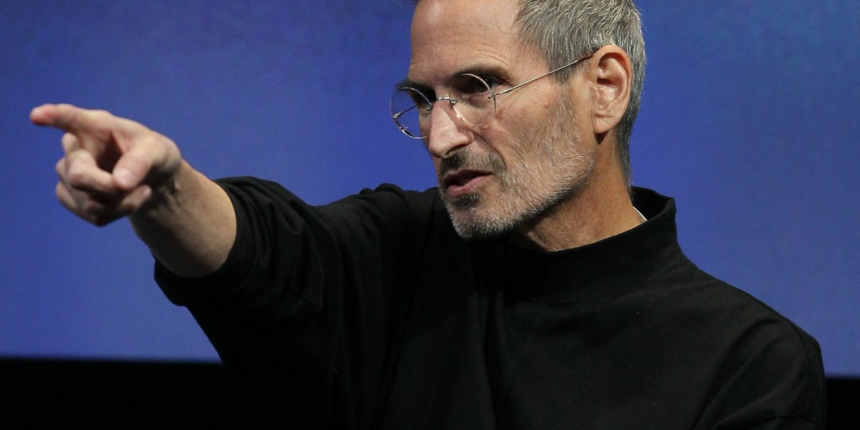
“I said, ‘Do you ever feel like Steve Jobs micromanaged you? Because he was in every detail.’ And he said, ‘No. He didn’t micromanage me. He partnered with me. We were working on problems together, and I felt like him being the details made me better.’”
Jobs’ “obsession with detail” didn’t diminish Ive’s autonomy, or make him feel like his boss was hovering or undermining him.
Instead, it made him feel his manager was invested, raised the bar, and pushed him toward a more expansive version of his own talent—one that would go on to shape some of the most iconic products of the modern era, from the Apple Watch to the iPad. Today, he remains one of the most influential creative leaders in tech.
That’s why, as Chesky points out, the issue isn’t actually whether a leader is deeply involved. It’s whether their involvement expands their workers’ thinking and therefore propels their career forward—or quietly boxes it in.
“So here’s the question: if I’m in the details with somebody, am I making them better or am I disempowering them? And I hope that when people feel like I’m involved in projects, they feel like I’m helping them push to think bigger.”
With 4,500,000 listings in over 65,000 cities in 191 countries, and over 7,300 employees at Airbnb, Chesky also argues that getting into the weeds is a necessity to getting things done swiftly.
“There’s a paradox where being in the details sounds like micromanagement, it sounds like it’s slowing teams down,” the 44-year-old entrepreneur said. “But when you’re in the details, you can actually help make decisions faster.”
Essentially, layers of approval, endless meetings, and hours wasted in workers’ time can be saved, when someone with actual sign-off is in the room.
“The number of people in organizations that got to get through managers and managers and managers to approve something, but then all these leaders have to agree to something, there’s a bunch of meetings—peers can’t make fast decisions,” Chesky added. “Only a leader can make a quick decision in a room. I bring everyone in the room, everyone makes a recommendation, and we can make a really really fast decision.”
“I think that’s the key of a leader, to make decisions.”
Although being deeply invested in the work of star talent can make them feel mentored and accelerate their careers, it’s having a double whammy effect on the careers of young people: If you zoom out, Gen Z are watching leaders’ increased involvement essentially wipe out what used to be the jobs of middle managers—and it’s making them not even want to climb the greasy pole.
Over half of Gen Zers specifically expressed that they don’t want to be middle managers—and sadly, over a third of the young respondents who said they do anticipate stepping into a managerial position at some point in their careers, admitted they don’t actually want to.
It’s giving leaders that closer access to individual contributors—letting them micromanage and make decisions faster, as Chesky describes—but the message to young workers is clear: Climbing the corporate ladder comes with more risk than reward.