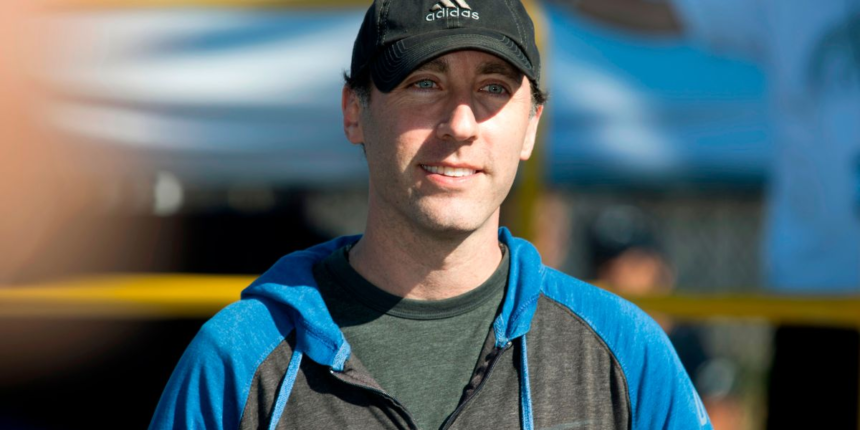
Davis’ sudden zeal for the publicity circuit, after a decade of silence, is as baffling as it is unexpected.
But for close observers of the Elon-verse, the Boring Co. shift in tactics raises a bigger question about the mindset driving one of the world’s most powerful, and disruptive, collections of companies: Is the media blitz a temporary concession in the interest of damage control, or a more fundamental recognition of the limits of Musk’s “go direct” strategy?
“I think they’ve realized based on failures on other projects that they need to be more proactive on messaging,” says a former Boring Company employee, who spoke on condition of anonymity for fear of retaliation. (The embrace of the media has its limits though—Davis and The Boring Co did not respond to Fortune’s interview requests for this story).
Ultimately, Boring Co. projects are public transportation projects, which are notoriously difficult as they necessitate buy-in from all kinds of stakeholders, ranging from land owners to elected politicians, to technical experts and emergency responders. Not to mention the people who will be utilizing the system: city residents. That requires outreach.
Boring Company launched a bimonthly blog in Nashville, where it wants to build a 25-mile network of tunnels. Company representative Tyler Fairbanks recently spoke at a Nevada State Board of Regents meeting to emphasize that safety was a priority for the company.
The main face of the media charm offensive, however, is Davis, the mid-40s Boring Co. president.
Davis may rarely emerge in public, but he is prolific within Musk’s web of companies and passion projects. An early SpaceX engineer, Musk recruited Davis to help him cut costs at X shortly after he purchased it in 2022. And, last year, during Musk’s stint in the White House, Musk roped in Davis to help run his Department of Government Efficiency.
But while Davis’ efforts may make him and the company feel more approachable, the company will also need to deliver results for such public efforts to work, says Len Sherman, an adjunct professor at Columbia Business School. “They made claims, and now are continuing to make claims to be the new face of urban mobility,” Sherman says. “And there’s absolutely positively nothing I’ve seen that even comes close to delivering proof that’s something that people should believe in.”
Even so, Sherman said he was glad to see Boring Company starting to engage more with the public, and said he hopes Davis will agree to speak with people who will ask him difficult questions.
“In the long run, they can’t hide forever,” Sherman says.