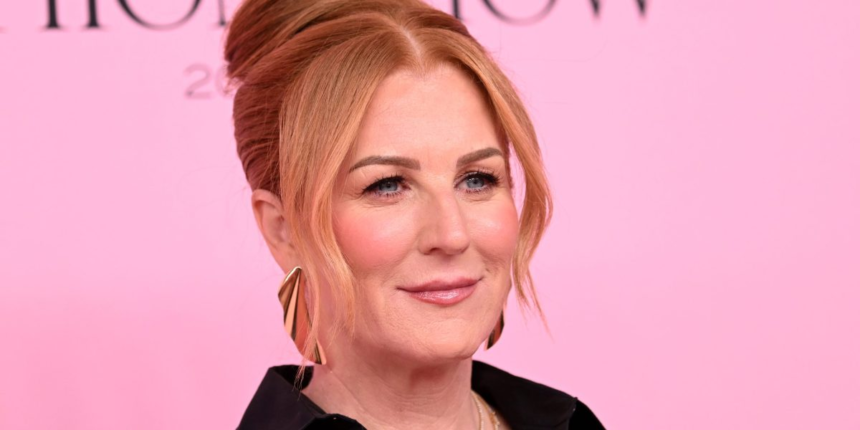
Good morning. When Victoria’s Secret reported stellar quarterly results last week, shares shot up 14% and likely gave Hillary Super some breathing room from the activist investors pushing the lingerie company to, among other things, consider whether the CEO of 16 months is up to the task of turning it around.
Of course, the potential of having to deal with an activist investor’s campaign goes with the territory of being a CEO, especially at a company that has been struggling. But Super’s saga is a reminder that women CEOs remain much likelier than their male counterparts to be targeted by activist investors.
What makes the Conference Board report especially frustrating is that it adds more proof points to an old, seemingly intractable trend.
Why? One reason, the Conference Board theorized, is rooted in a stereotype that women are more cooperative. It’s also conceivable that the trend reflects the glass cliff phenomenon in which women often take the helm of companies in decline. But there is almost certainly some bias at play. The Conference Board research showed that women targeted by activists face the same odds of being canned whether they turn things around or not, while male CEOs are less likely to be ousted when results improve.
Everyone should be held accountable when their company is failing or on a bad path. But it is worth wondering what this extra hurdle women CEOs face is costing us. Activist campaigns are bruising to the company but also to a CEO’s reputation. Does this mean boards might be more likely to avoid naming a woman to lower the odds of an activist campaign, or that fewer women will throw their hat in the ring?