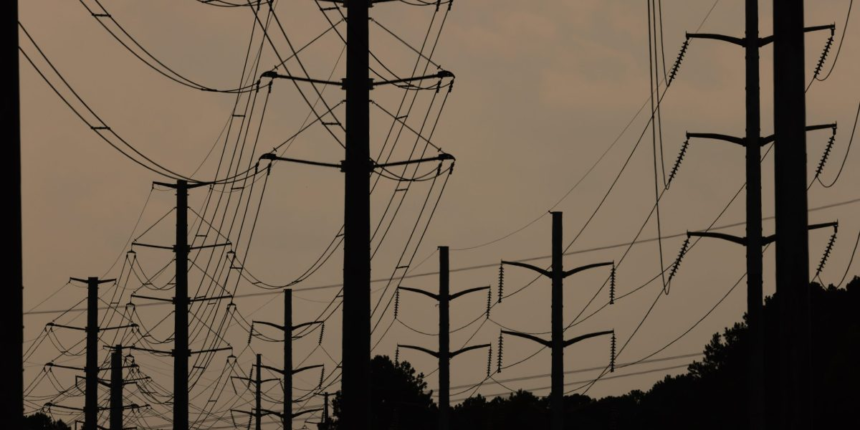
“Utilities just don’t necessarily have either the grid capacity or the generating capacity to be able to build it fast enough to accommodate these new large energy demand centers,” Wood Mackenzie analyst Ben Hertz-Shargel told Fortune. The U.S. has not needed to rapidly expand electricity generation in a long time, which makes it difficult to match the pace of tech companies’ ambition, he explained.
This is shifting how companies approach their plans for data centers.
“It’s a bend in the trajectory that we’re now seeing companies realizing that they need to focus on projects at hand, rather than just endlessly adding new ones,” Hertz-Shargel said. At the end of 2025, data centers requiring 241 gigawatts of electricity were in the pipeline, an increase of 159% from the beginning of the year. Still, only a third of projects in the data center pipeline are under active development, and many of the rest will never get built, he said.
Another key risk is the revenue potential of data centers and whether it will justify companies’ push to expand, Hertz-Shargel said.
One notable exception is cloud infrastructure giant Oracle, which has taken on debt to fund its Stargate data center campuses, powered by behind-the-meter natural gas, or on-site, natural gas. This way, the company can get new data centers online without relying on grid connection and avoid driving up energy prices for surrounding communities.
“There’s been a big push for the data center companies that pay their own way,” Hertz-Shargel said. “They’re helping to finance new power plants, for instance, so that can be one of the ways that gets resolved. But we’re just not seeing it across the US at a scale that would allow utilities to move quickly.”