U.S. stock futures jumped and oil prices tumbled on Sunday after the U.S. and Iran confirmed they finally reached an agreement to extend their ceasefire that would reopen the Strait of Hormuz, after weeks of dashed hopes.
Futures tied to the Dow Jones industrial average leapt 430 points, or 0.87%. S&P 500 futures shot up 1.08%, and Nasdaq futures surged 1.77%.
U.S. oil futures sank 5.1% to $80.54 a barrel, while Brent crude tumbled 4.3% to $83.58. Gold rose 2.6% to $4,349.30 per ounce.
The U.S. dollar was down 0.25% against the euro and down 0.04% against the yen. The yield on the 10-year Treasury was plunged 5.9 basis points to 4.426%.
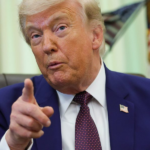
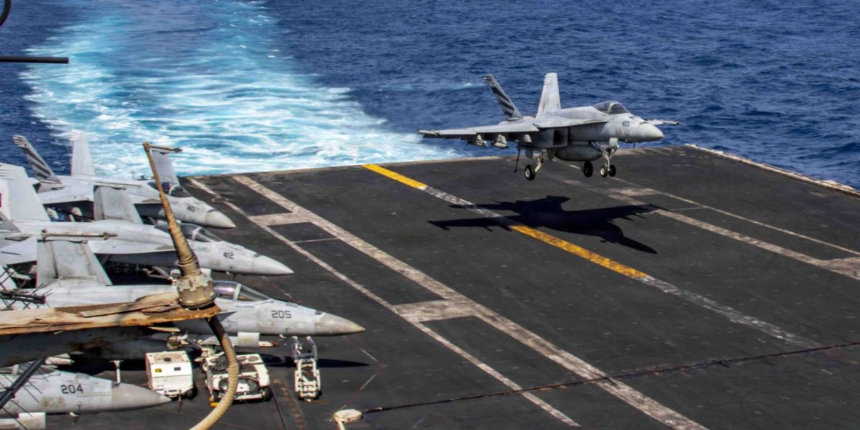
“Deal with the Islamic Republic of Iran is now complete. Congratulations to all! I hereby fully authorize the toll free opening of the Strait of Hormuz, and, simultaneously herewith, authorize the immediate removal of the United States Naval blockade. Ships of the World, start your engines. Let the oil flow!” Trump posted on social media a half hour before futures began trading in the U.S.
Trump later added that the Strait of Hormuz would reopen on Friday, when the deal will be signed, and suggested more time was needed to remove mines in the narrow waterway.
Pakistan, which has served as a mediator during the talks, said the two countries would electronically sign the agreement on Sunday.
Ever since the U.S. and Israel launched their war on Iran in late February, global markets have been gripped with the largest oil disruption in history as Tehran closed off the Strait of Hormuz.
While Iran’s conventional forces were decimated, its Islamic Revolutionary Guard Corps retained enough combat power to scare away global shipping.
Although the deal announced Sunday should allow Hormuz traffic to return to normal levels, representing 20% of the world’s oil and liquid natural gas flows before the war, the most contentious issues will be negotiated over the next 60 days.
For example, Iran has demanded sanctions relief and access to its frozen assets, while details of how Iran’s nuclear program will be handled remain unclear.
“We’ll get the nuclear dust later on when we’re ready to go in and do it. I’d say over the next month or two, there’s no rush,” he said.
Trump insisted Iran wouldn’t receive any cash as part of the deal, but added that sanctions could be lifted. U.S. officials have previously said sanctions could be eased in phases as Iran follows through on nuclear promises.
The president also walked back one of his initial priorities for the Iran war. Hours have airstrikes began, he exhorted the Iranian people to overthrow the regime. That’s after he warned Tehran against cracking down on mass protests that started in late December.
To be sure, the U.S. and Israel killed Supreme Leader Ali Khamenei and other top officials, but he was quickly replaced by his son, with other hardliners rising to leadership positions.
“As far as regime change, I never cared about regime change. This is the third group we’ve dealt with, and this is the most rational group yet,” Trump told the Journal.
Republican Sen. Lindsey Graham, a Trump ally and staunch hawk in Iran, expressed skepticism about the agreement, including details regarding Iran’s nuclear program.