When the New World screwworm reached the US earlier this month after advancing across Mexico for more than a year, federal officials were prepared to quarantine animals and distribute treatments. But the country’s key tool for suppressing the pest — a facility that breeds sterile flies to halt reproduction of the parasite — isn’t slated to begin operating until November 2027.
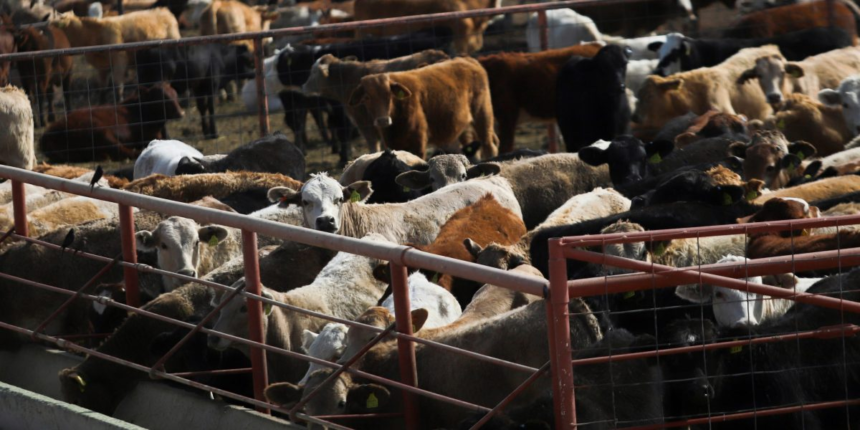
The screwworm is actually a fly whose larvae infest the wounds of warm-blooded animals. So far, it has been detected in six cattle in Texas, the country’s top producer.
For now, the US, has only a fraction of the sterile flies needed to mount an effective response.
“I want to give it maybe a month and watch and see what happens,” Rollins said.
Livestock producers, in the meantime, will face an indirect cost burden that comes with monitoring and treating animals, he said. That threatens to send cattle prices even higher and discourage the rebuilding of the US cattle herd. The prolonged supply crunch has already left beef processors operating at losses and sent consumer beef prices soaring to records.
The US is also trying to manage the screwworm’s spread through quarantines and the distribution of medications. The US Food and Drug Administration had already issued conditional approval for several drugs, and Rollins has said some supplies from the USDA’s National Veterinary Stockpile have been flown to Texas.
Meanwhile, the USDA is preparing its strategy. In an X post on Friday, the agency presented it as a “Main Event” battle pitting the sterile flies against the screwworm: “One enters to reproduce. One enters to end the bloodline … One mission. One goal. Knockout New World screwworm!”