Even as travelers keep flying, airlines’ profits could be cut in half, thanks in part to the stranglehold Iran has imposed on the global oil supply, according to a global trade group for the industry.
Some of the airlines that could be most affected are those with weaker balance sheets and those that serve the Persian Gulf, he added.
Driving this contraction is the Iran war, which has now stretched into its fourth month. It has forced airlines to reroute flights to avoid conflict zones in the Middle East, making planes burn more fuel.
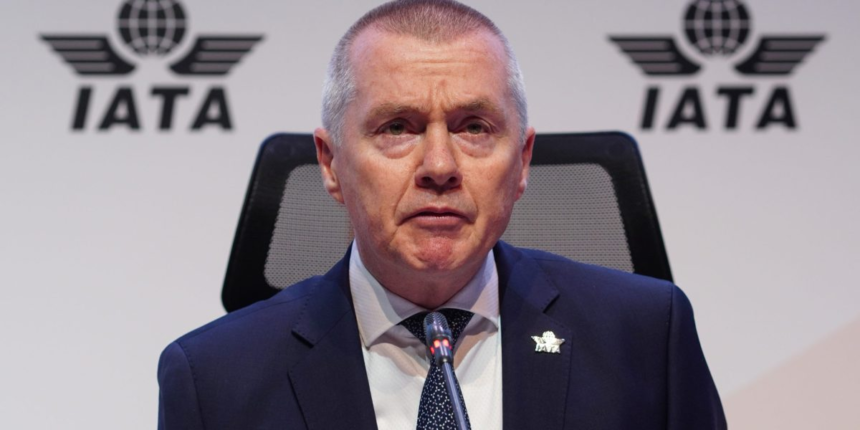
Fuel prices are set to come in 70% higher year over year, which will add $100 billion to the industry’s collective fuel bill, Walsh said in a report on the state of the industry published Sunday.
Most consumers expect flight prices to increase in line with oil prices, and about half of them expect to spend more on flights this year, said Walsh, who is leaving the IATA to become CEO of Indian airline IndiGo. But this resilience may not last forever.
“The big unknown is how long travelers and shippers can tolerate the higher costs of connectivity,” he said.
It’s unclear how much longer the Iran war may last. While representatives from Washington and Tehran have met several times, including a high-level meeting in Pakistan in April, a ceasefire between the two nations remains fragile and the situation is tense.
The conflict threatened to explode again on Monday, when Iran and Israel fired missiles at each other before both sides backed down.
Despite the current disruptions, Walsh said the advent of AI and the tech’s potential to boost efficiency, reduce costs, and improve the customer experience shows that the industry is well prepared for the future.
“The next five to 10 years could be some of the most exciting times for airlines,” he said.