The debate over how to integrate AI agents into the workplace has produced no shortage of frameworks, mandates, and org-chart overhauls. And this week at Fortune’s COO Summit, it produced something rarer: complete, 180-degree disagreement between two executives who have thought about this longer than almost anyone, and still left with no clean resolution.
The debate over what to call agents might sound is not just semantics.
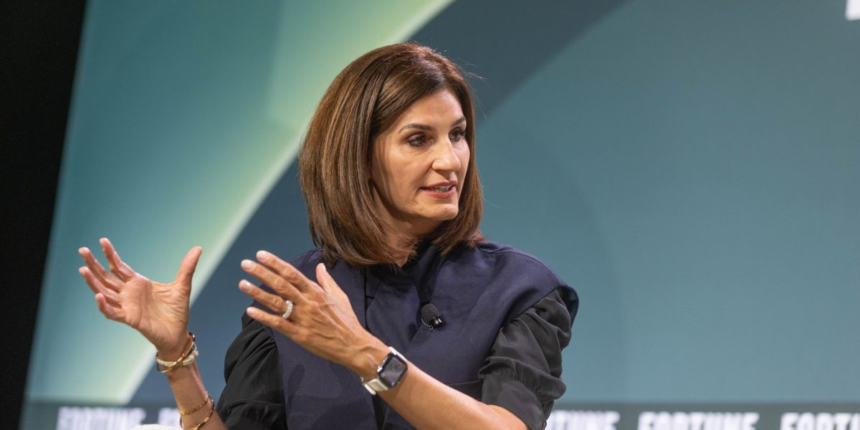
Katsoudas also talked to Fortune Editorial Director Kristin Stoller about how Cisco handled 4,000 announced layoffs as part of an AI restructuring—noting that on the teams using AI most effectively, trust within those teams actually began to drop about nine months in. “We just have to invest so much more,” she said. “We have to share with our people what we know, what we don’t know.”
Katsoudas added that in previous Cisco restructurings, pairing training with internal redeployment has allowed the company to place 75% of impacted employees. “Just imagine if that became 85 or 90 percent,”. “It would make people feel a lot less worried because they know they’re going to land. She said it’s what Cisco is “working through today. It’s tough.”
Franklin’s answer to that trap is blunt governance. “We don’t just let any person into your home to talk to your children, eat your food, sleep in your bed,” she said. “You ask them who they are, why they’re there.” The same logic, she argued, applies to AI. “We don’t just let any AI in. We need to have clear guidelines and clear guardrails around what happens when you bring AI in.” It’s a frame that treats trust not as a feeling to be managed but as a system to be designed, before the agents arrive, not after.
“We evolve from workforce planning to work planning,” Kelleher said. “What I’m finding right now is that’s a really big leap for people to make.”
Whether the agents helping bridge that gap are colleagues or tools may matter less than whether the humans managing them are finally forced to reckon with what work actually looks like now.
For this story, Fortune journalists used generative AI as a research tool. An editor verified the accuracy of the information before publishing.