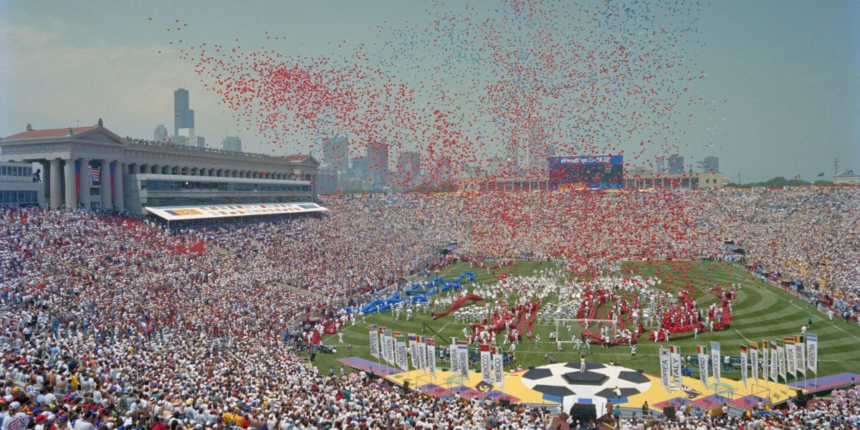
While nearly a dozen U.S. cities put the finishing touches on preparations for the 2026 FIFA World Cup ahead of next week’s kickoff, some of the country’s most sport-frenzied communities are settling in to watch from home. Based on the economics of major sporting events, it might prove a savvy decision in retrospect.
The soccer fever due to grip the U.S. until July 19 will be most vivid in the country’s 11 host cities, where 78 games will be played in stadiums servicing sports meccas such as Boston, Los Angeles, Dallas, and Atlanta. That’s most of the 104 games total for the tournament shared between the U.S., Mexico, and Canada.
The 2026 World Cup’s host cities were announced in 2022 after a competitive bidding process. But many cities that declined to be considered for participation at the marquee event made their reservations clear years earlier, often citing financial reasons and cumbersome requirements set by FIFA, the tournament’s governing body. For many of America’s most sports-crazed cities missing out on this year’s World Cup, the appeal of hosting mega-events just wasn’t enough to justify the costs.
FIFA did not immediately reply to Fortune’s request for comment.
To be sure, being a host for a globally televised event—one of the most widely followed anywhere—has its appeal for cities. In Chicago’s absence, Kansas City has emerged as the only Midwestern representative at the tournament, a fact often touted by local officials.
“Unlike many coastal host cities, Kansas City stands alone as the only host city in the geographic heart of the United States,” Alford continued.