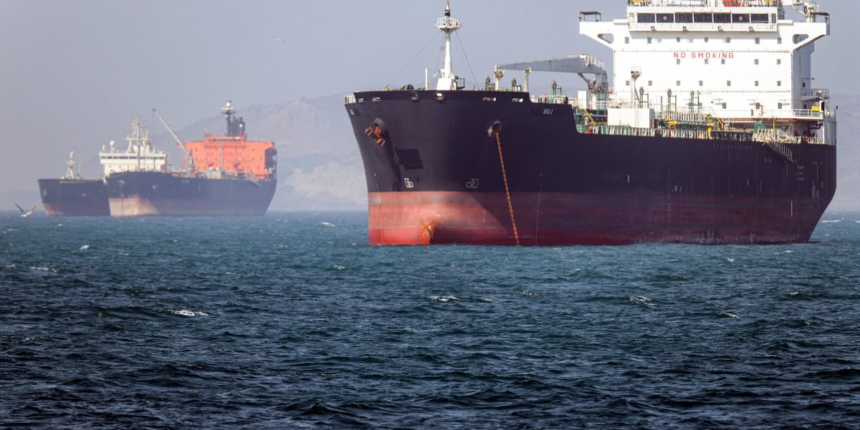
Oil dropped as the US and Iran edged toward a deal, although President Donald Trump said that Washington’s blockade of the Strait of Hormuz would remain until an agreement was completed.
A full reopening of the waterway — which in peacetime typically handled around a fifth of the world’s oil and liquefied natural gas supplies — would be a relief for energy importers across Asia, including China, Japan, and South Korea.
“A lot of oil was trading on worst case assumptions for weeks,” said Haris Khurshid, chief investment officer at Chicago-based Karobaar Capital LP. “But once it became clear talks were still alive and escalation wasn’t accelerating, a chunk of that fear premium comes out pretty fast.”
Trump has been facing growing domestic political pressure to end the conflict, particularly ahead of the November midterm elections that will determine control of Congress. The war has boosted the cost of fuels, with average US gasoline prices hitting the highest since 2022 this month.
Trading in oil may be lower than usual on Monday, with some traders away from their desks for public holidays in the US and the UK.