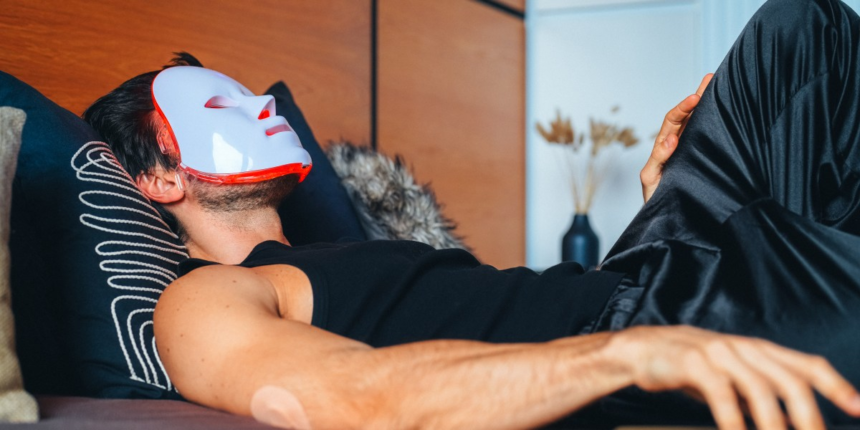
You may have heard of red light therapy as a new wellness must-have, with the potential to regrow hair, improve acne, and aid in muscle recovery. It’s not just wellness influencers and luxury spas leading the charge to red light therapy, though. Dermatologists, sports medicine physicians, and medical researchers are also taking notice of this evolving trend and studying its real-world applications. As interest grows, so does the conversation around what it can actually do, how it works, and who it’s best suited for.
These early NASA findings, which pointed to reduced inflammation, faster wound healing, and improved cellular energy, kicked off a greater field of study around the benefits of red light therapy for skin health, wound healing, and even hair regrowth. Over time, researchers have expanded this field of inquiry, examining how specific wavelengths can penetrate the skin and affect the functioning of our cells. Today, that early research continues to inform the science behind both clinical treatments and at-home red light devices.
There are a few different kinds of red light therapy, each at different wavelengths, which are measured in nanometers (nm). The kind of benefit you get from the light depends on the wavelength, as different wavelengths penetrate the skin at varying depths and interact with tissue in distinct ways. Shorter wavelengths stay closer to the surface and are more suitable for skin concerns, while longer wavelengths reach deeper layers to affect muscles, joints, and connective tissue.
Here’s a breakdown of the different types of red light therapy and how each affects the body:
With the growing attention around red light therapy in the wellness space, it’s natural to wonder what it can realistically help with. That’s where input from experts—and the research—becomes especially important.
Here is a list of specific conditions red light therapy may be helpful in treating:
Red light therapy should not replace care from a licensed medical professional. It’s best used under appropriate guidance and, when needed, alongside other treatments rather than as a standalone solution. Results of red light therapy will vary depending on the individual, the condition being addressed, and how the therapy is used. In most cases, consistent and proper use over time is necessary for meaningful improvement.
Red light therapy devices for portable or at-home use include wearable masks, handheld wands, small panels, caps or hats, belts, and pads. In a clinic, you may also see portable devices, but they are likely powerful than what you can safely use at home without professional supervision. Clinical settings, like dermatology practices or physical therapy centers, may also use large photobiomodulation devices that treat the entire body, like beds or saunas.
The difference between at-home devices and those used in a clinic usually comes down to “power and coverage,” said Pojednic. “Clinical devices are high-powered and precisely calibrated…allowing near-infrared light to reach deeper tissues—muscle, connective tissue, dermis—unlocking benefits well beyond skin: recovery, pain reduction, mood, and circulation.” Pojednic added, though, that red light therapy masks can be an effective at-home treatment for “maintenance and mild skin concerns.”
No matter what device you’re using, red light therapy is typically painless and generally a relaxing experience. You’ll feel gentle warmth coming from the device, but you should not feel intense heat.
The experts we spoke to agree that most healthy adults are good candidates for red light therapy, especially if they are actively managing pain or inflammation, or are looking to optimize recovery. “For many of our [physical therapy] patients,” Arnold shared, “Red light therapy becomes the turning point in their recovery. It doesn’t replace physical therapy, but it enhances it. When we combine movement, manual work, and photobiomodulation, we often see progress that’s faster and more sustainable.”
While red light therapy is generally safe, it isn’t ideal for everyone. People with a history of skin cancer or those who are sensitive to light, either due to medications or conditions like lupus, should speak with a healthcare provider before using it. This is also true for anyone who is pregnant, has epilepsy, or has an acute injury or illness.
Also, anyone who uses red light therapy should follow proper guidelines, as excessive exposure can lead to side effects like skin irritation, redness, or, in rare cases and with high-intensity devices, burns. As with any treatment, red light therapy is best approached with a clear understanding of your individual health profile and input from a qualified professional.
People considering red light therapy should know it’s not a cure-all wellness tool. Still, there is strong research and clinical evidence to suggest it can play a helpful role in supporting skin health, reducing inflammation, and aiding recovery. It’s best to think of red light therapy as one piece of the wellness puzzle, rather than as a standalone solution. As the research on red light therapy evolves, so will our understanding of how best to incorporate it into our wellness routines.
Yes, red light therapy, also called photobiomodulation, is a type of therapy using red or near-infrared light to penetrate the skin and boost cellular energy. Research suggests red light therapy may help reduce inflammation and improve circulation.
Red light therapy is typically painless and many people find it relaxing. It is common to feel a gentle, radiating warmth from red light therapy devices, rather than intense heat.
Yes, red light therapy devices, including masks and small panels, are available for home use. At-home devices are generally smaller and less powerful than the devices used in clinics, but may still be good for treating mild skin concern and muscle soreness.