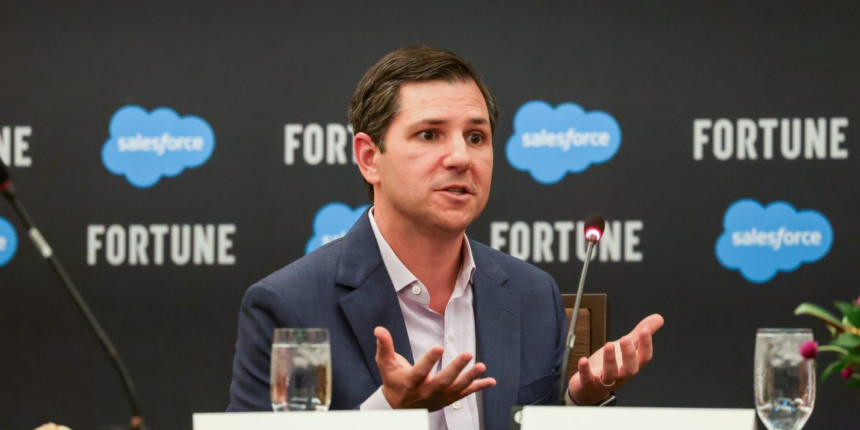
While some business leaders are leaning hard on return-to-office mandates, Zillow’s CEO is taking the opposite approach and seeking talent wherever they are based.
But Zillow wasn’t always like this. Before the pandemic, Zillow, like many other companies, had a strong in-office culture, Wacksman said. But since then, the company has made a conscious decision to change, and now, even Wacksman works from home when he’s not at an in-person company retreat or town hall.
Although the approach, like any, isn’t perfect, Wacksman said, being transparent about both the benefits and drawbacks is a must. In the end, Zillow found a remote-first approach best fit its mission, size, and unique workforce.
“We leaned in early. And, again, we really pivoted the company. We didn’t start the company this way. And what that means is you have to rebuild the cultural norms around that,” he said.
Being remote-first has also helped Zillow improve its systems to drive conversations about performance and collaboration, forcing it to measure and act on new data. On the downside, not being in-person every day has presented a challenge for colleagues wanting to bond and relate with each other, Wacksman said.
Zillow has tried to tackle this issue with in-person gatherings that give employees the chance to “travel instead of commute,” Wacksman said. During some of these events, employees gather in the office and tackle a problem together or learn new skills as a team, he added.
“It’s things maybe you were doing all the time, and you just kind of bring them together and concentrate them—and you’re just more intentional about when you do things so that you can take advantage of being together in person,” Wacksman said regarding in-person get-togethers.
A version of this story was originally published on Fortune.com on July 2, 2025.