While this moment represents a huge opportunity for buyers and investors, not every business owner wants, or has the opportunity, to sell. Many owners spent decades building their companies and bristle at the idea of selling to traditional private equity or a bigger company that could restructure their business, lay off employees, and jeopardize their legacy.
Some businesses will pass down to family members, but the majority face closure and 27% of owners 55 and above are unsure of their succession planning.
Take Rick Plympton and Mike Mandina, respectively former CEO and Founder of Rochester, N.Y.-based high precision optics company Optimax. Since the 1990s, Rick and Mike grew Optimax from 10 employees struggling to make payroll to 500 employees with ~20% annual revenue growth. When the time came to discuss succession, the pair agreed selling wasn’t an option—no matter the potential upside.
“Mike and I grew up blue collar—we don’t need to make billions of dollars,” said Plympton. “We wanted to create a corporate structure where the company could continue to grow and create jobs here in our community.”
“In the first 30 years of Optimax, we did $500 million in revenue, and roughly half of that was shared with our workforce through salary, benefits, and bonuses … The janitor gets the same monthly bonus check as the president, and every employee has a pathway to becoming a millionaire if they work with us for 30 to 40 years,” said Plympton. “If we can get 10 or 20 more companies in the region to convert to employee ownership, we’ll change the financial dynamics of the entire community.”
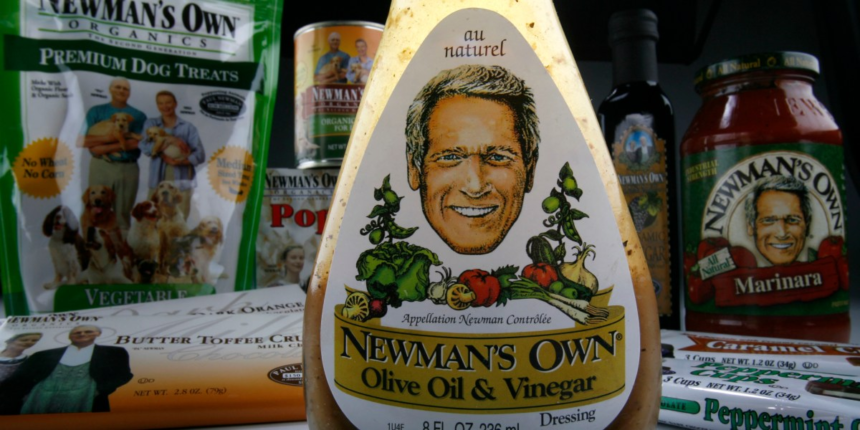
As more and more business owners begin to explore what succession looks like for them–whether it’s around the corner, or still five or ten years away–many are looking for alternative approaches beyond traditional sale. While employee ownership was the right move for Optimax, others have embraced models which enable continuity and giving back, such as:
When you’ve spent decades building, your business is more than just the number of zeroes you can sell it for. Steward Ownership models give you options to pass on what you’ve built for the benefit of your employees, your community, and your legacy.
The opinions expressed in Fortune.com commentary pieces are solely the views of their authors and do not necessarily reflect the opinions and beliefs of Fortune.