“Now is the opportunity to stabilize FEMA,” said Michael Coen, the agency’s chief of staff in the Obama and Biden administrations.
His rupture with DHS officials began as he defended a federal role in supporting disaster-impacted states, tribes and territories.
“Once the conversation shifted to, ‘Now we’re going to abolish,’ I immediately expressed concern,” he said last September on the “Disaster Tough” podcast with John Scardena, a former FEMA incident management team leader.
DHS officials even subjected him to a polygraph test, accusing him and other officials of leaking details of a private meeting. He passed, but said he knew his dismissal was inevitable.
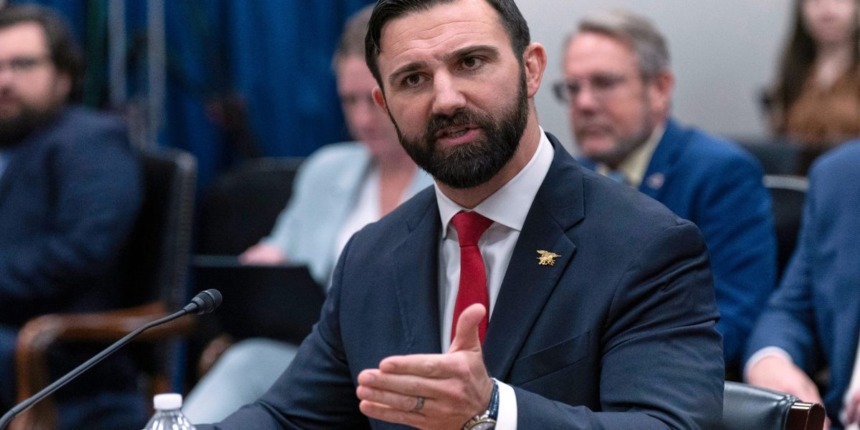
At a May 7 appearance before a House Appropriations subcommittee, Rep. Rosa DeLauro, a Connecticut Democrat, asked Hamilton if he believed FEMA should be abolished.
“I do not believe it is in the best interest of the American people to eliminate the Federal Emergency Management Agency,” he replied. The next day, he was fired.
Defending FEMA despite knowing it would likely cost him his job garnered respect and trust among people whose job it is to lead communities through crisis, said Scardena, now president of the consultancy Doberman Emergency Management Group, which trains emergency managers.
“He won myself over and I think a lot of people by what he did,” Scardena said.
But multiple current FEMA employees who requested anonymity for fear of retribution for speaking publicly told The Associated Press they had concerns over some of the actions taken under Hamilton.
Hamilton has said he believes FEMA needs major reform. He has said that he wants FEMA to move faster, that the agency is saddled with responsibilities he sees as outside its remit, and that some states have become too dependent on the agency. A Trump-appointed council last week urged sweeping changes to FEMA, which would require congressional action.
“I think he’s going to need to rebuild trust across the agency,” said Deanne Criswell, FEMA administrator under former President Joe Biden, adding that she believes Hamilton cares about FEMA and she appreciated his outreach to emergency management directors and former officials during and after his tenure.
Hamilton could face pushback in the Senate confirmation process over never having led an emergency management agency, a common stepping stone to becoming administrator of an agency with over 21,000 employees.
Federal law requires the FEMA administrator to have “a demonstrated ability in and knowledge of emergency management and homeland security” and at least five years of “executive leadership and management experience.”
Hamilton trained as a Navy hospital corpsman before spending a decade as a Navy SEAL on SEAL Team Eight. He then became a U.S. State Department emergency management specialist handling overseas crisis response, then directed emergency medical services at DHS.