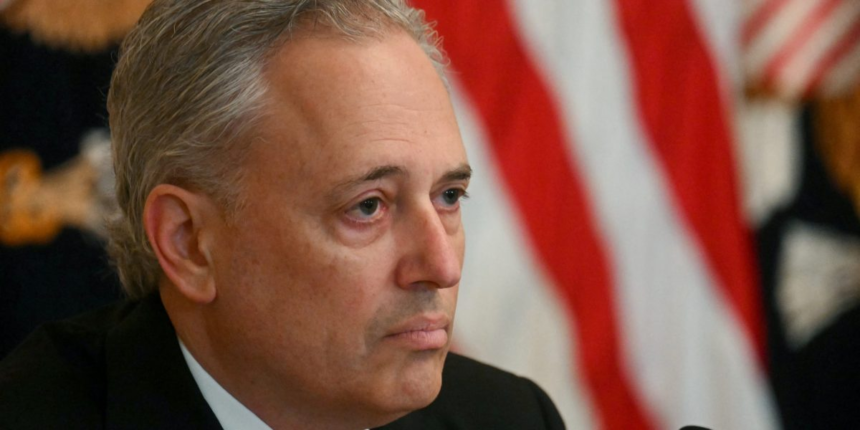
“Polls may show that AI is not popular, but economic growth is,” said venture capitalist David Sacks. “At this point, stopping progress in AI would be equivalent to halting the U.S. economy.”
One way to gauge the health of the real economy is to look closely at consumer spending. The more consumers are spending, the better it implies they are feeling about their disposable income and job stability. Historically, consumer spending has been the largest single source of economic activity.
The economic story of Trump’s second term has been less about a manufacturing revival or job growth across the board, and mostly about AI investment. The biggest categories that received business investment last quarter were for technical equipment such as computers, and intellectual property products including software, according to the BEA. Combined, the amount invested in the first three months of the year on information processing, equipment, software, and research and development came out to 1.52 percentage points of overall GDP growth, which last quarter came out to 2%.
In other words, those crucial areas of AI-related spending so far this year account for more than three-quarters of all new economic activity.
Much hinges on AI’s promise to boost productivity and keep the economy above water. Trump may have promised a diverse economy firing on all cylinders, but for now, it’s been a mostly one-track road with little room for error.