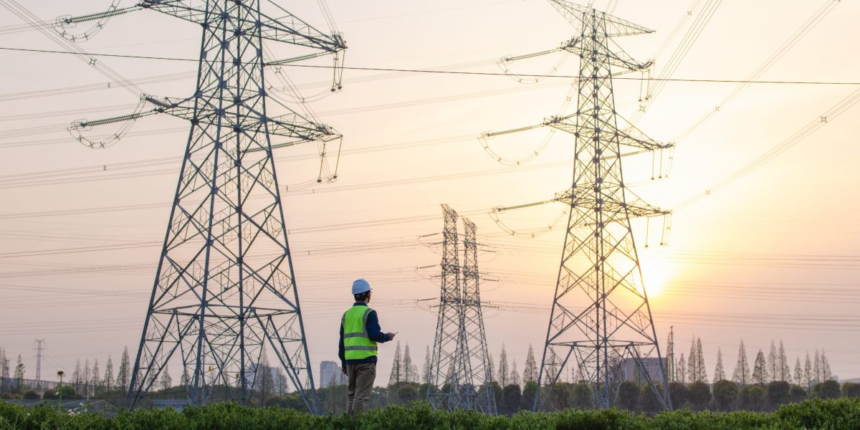
For years, American households have been watching their electrical bills gradually tick higher. As it turns out, the chief executives of the country’s largest investor-owned utilities were doing the same thing while looking at their paychecks.
The review comes as lawmakers begin to question utility leaders after years of consecutive price hikes. Consumers have also grown aggrieved, as a series of recent polls and reports suggest that surging energy costs are quickly coalescing into a chief affordability concern for Americans around the country.
A spokesperson with Pacific Gas & Electric, whose CEO Patricia Poppe received a 25.2% pay increase last year, told Fortune: “We set compensation at levels to attract and retain the best talent, but if they don’t deliver, that’s reflected in their pay,” adding that the majority of executive compensation was determined by performance and “paid for by shareholders, not by customers.”
A Con Edison spokesperson told Fortune that its executive compensation is designed to “attract and retain the leadership required to operate one of the most complex energy systems in the world,” adding: “The majority of executive compensation is performance-based and paid by shareholders. It is tied to metrics that matter, including safety, system reliability, and customer experience.”
Entergy did not immediately reply to Fortune’s requests for comment.
IOUs are large companies with shareholders that must abide by strict government regulations but are allowed to profit from providing power to households. While IOUs in most cases own all of the energy generation and transmission infrastructure they use, they act as regulated monopolies, meaning they do not have unilateral control over rates. IOUs have to make a case for rate increases based on their costs and target profits, and then submit a rate increase request to government commissions.
The CEOs of these companies have seen handsome pay raises over that period, too. The institute’s latest report found that CEO pay at IOUs last year, on average, rose almost 16% relative to 2024.
But utility prices have been rising steadily since 2021, years before the AI infrastructure boom kicked off. One reason is the enormous capital costs utility companies have been saddled with in recent years.