For more than 50 years, OneUnited Bank has operated on the belief that financial empowerment in Black communities requires more than products and services—it requires confronting the systems that keep wealth out of reach. Now, the nation’s largest Black-owned bank is extending that mission into addressing how to close the racial wealth gap.
“Undeserved shame is the silent barrier that impedes personal growth and financial empowerment,” the bank said in announcing the show, a framing that ties the psychological directly to the economic.
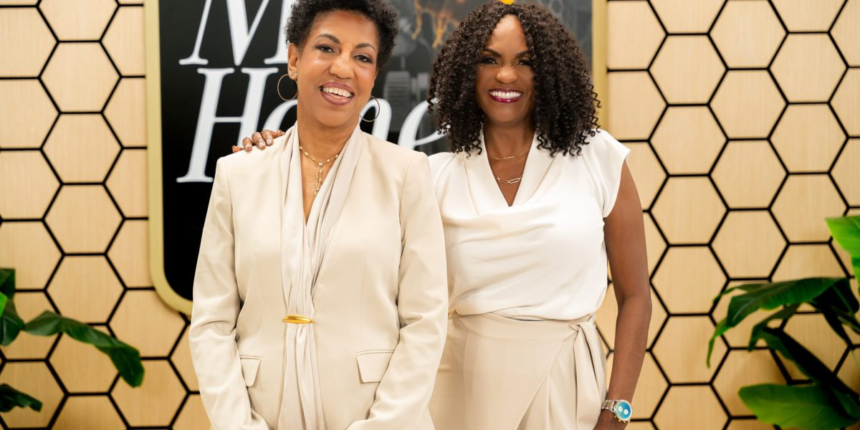
Ma Honey was an entrepreneur: she owned a penny candy store, a juke joint, a BBQ pit, and rental properties in the segregated South, generations before those opportunities were supposed to be available to women who looked like her. When Williams opened up to Fortune about that buried chapter of her life, it marked the first time she had spoken about Ma Honey publicly, a disclosure that ultimately became the seed of the show itself.
Williams said that when she began in financial services in the early 80’s, it was one of the least diverse industries. Her decision to acquire four Black-owned banks—all started in the 1960s when segregation prevented Black people from accessing other banks—and rolling them into one, changing the name to OneUnited Bank, reflects what she called “the community builder in me, which was greatly influenced by Ma Honey.”
Season One’s guest lineup underscores the show’s ambitions. It includes Sybrina Fulton, mother of Trayvon Martin; Marc Morial, President of the National Urban League; Congresswoman Frederica Wilson; Miami-Dade Mayor Daniella Levine Cava; Sheena Meade, CEO of The Clean Slate Initiative; and Felicia Hatcher, CEO of Pharrell Williams’ Black Ambition Prize, among others.
“Shame can completely derail people from achieving financial success,” Williams said, because it can stop them from asking questions to become more financially savvy, or it can reduce their expectations of what they can accomplish. “They feel they do not deserve to succeed. I hope we can make the feeling of shame taboo.”
For OneUnited, the show is a bet that the path to generational wealth runs not just through financial literacy, but through the stories people have been taught to be ashamed of. Ma Honey—a Black woman building business equity in the Jim Crow South—was always the blueprint. The bank wants her descendants to stop forgetting it.