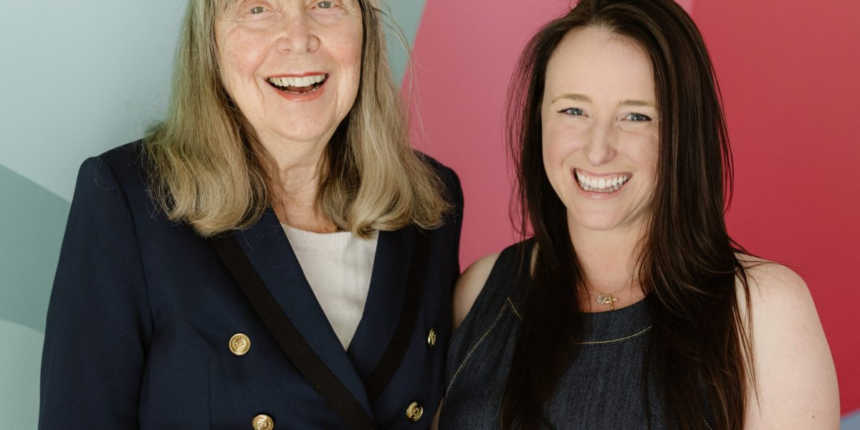
Mary Minno first met Esther Wojcicki when she was 15.
“Our idea is to bridge labs-to-launch for the best and brightest computational health builders out of academic circles,” said Minno, who became interested in healthcare amid the trials of her last pregnancy and the difficult diagnosis of a loved one. “I became a little bit problem-obsessed. And I’m a student of Esther’s: I believe in iterating on things until they’re correct. I couldn’t believe that we can let the healthcare system operate the way it does. All of us wind up in that bed one day.”
“All learning involves failure,” said Wojcicki. “You just need to do it again and do it again until you get it right… You couldn’t get a bad grade in my class. You could just revise until you got it right, because all these mistakes that people were making were just examples of them just not knowing it… but when they revised, they understood it and they did it perfectly.”
This ultimately applies to Treehub, which is backed by the AI Health Fund that’s deploying $10 million over the next 18 months into founders straight out of academia (and who will have to, presumably, fail fast and revise). So far, Minno and Wojcicki have invested in 12 companies, including Clair Health, which is looking to build the first continuous hormone monitor for women, and Nestwell, which assesses home health by tracking mold and chemical exposure. The residency’s backers so far include venture capital OG Tim Draper and Anne Wojcicki, who told Fortune via text that it’s the right time for something like this.
“We’re in a window right now where AI can fundamentally reshape the healthcare industry, but only if the founders with the science are given the capital and mentorship they need to succeed,” Anne wrote to Fortune.
Treehub is indeed emerging in the context of a broader moment in the AI boom around healthcare, where there’s an extremely high level of optimism among founders and investors about the changes AI could reasonably bring about. There’s also an urgent sense that the time between academia and commercialization can compress.
“Things stay in academia for far too long,” said Minno. “We can and need to commercialize these things faster, and we need to get people healthier more rapidly.”
See you tomorrow,