German Enlightenment philosopher Immanuel Kant argued in his 1795 essay Perpetual Peace: A Philosophical Sketch, that nations should conduct themselves in a particular way with wars and debt: “National debts shall not be contracted with a view to the external friction of states.”
In other words, to maintain peace, don’t finance wars with debt.
Nearly a quarter-millennium later, public finance expert Linda Bilmes warns the U.S. is making this exact mistake in how it’s raising capital for the Iran war, encumbering the already weighty $39 trillion national debt.
Above all else, Bilmes noted, the U.S. is now relying more heavily on debt to finance the war that we have previously. During the wars in Iraq and Afghanistan in the early 2000s, the debt held by the public sat at around $4 trillion, and we were paying about 7% of the overall federal budget on interest, Bilmes said. Today, $31 trillion of debt is held by the public, with 15% of the national budget being spent on paying down interest.
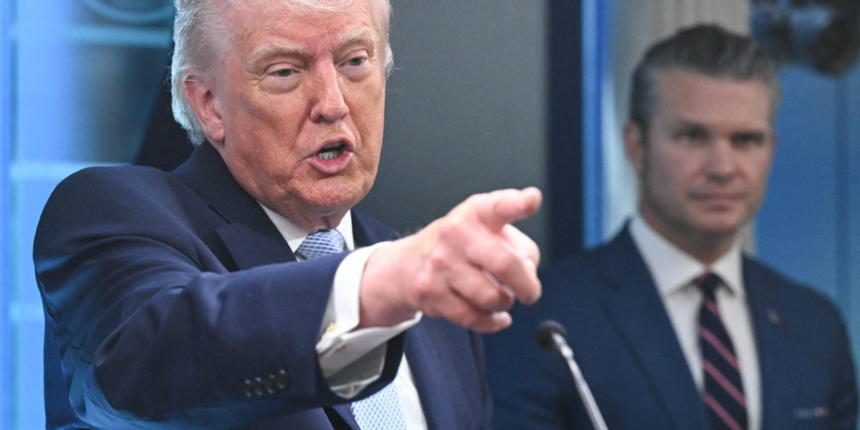
Bilmes told Fortune that the U.S. didn’t always put so much burden on the national debt during wartime, although each previous conflict did rely on borrowing money. These 21st-century wartime funding strategies furthered by the Trump administration, she said, are bad news for the U.S.’s mounting debt.
The wartime heavy taxes essentially laid the groundwork for how the U.S. would raise capital in times of war, from the Civil War through Vietnam, though the bunk of financing still came from borrowed money.
“That is money that goes on indefinitely,” she said. “It means that every year the base that you start from in the budget is higher.”
Bilmes argues there’s nothing inherently wrong with borrowing money. Rather, she’s concerned the administration’s focus on military spending will come at the expense of investments in economic growth, tipping the debt-to-GDP ratio and leading to a drag on economic growth. The White House did not immediately respond to Fortune’s request for comment.
“When you borrow for things that are productive investments, like infrastructure or education, you hope to get back more than what you borrow,” she said. “But in this case, we’re borrowing [at] high rates, largely for things that will end up in the sand.”