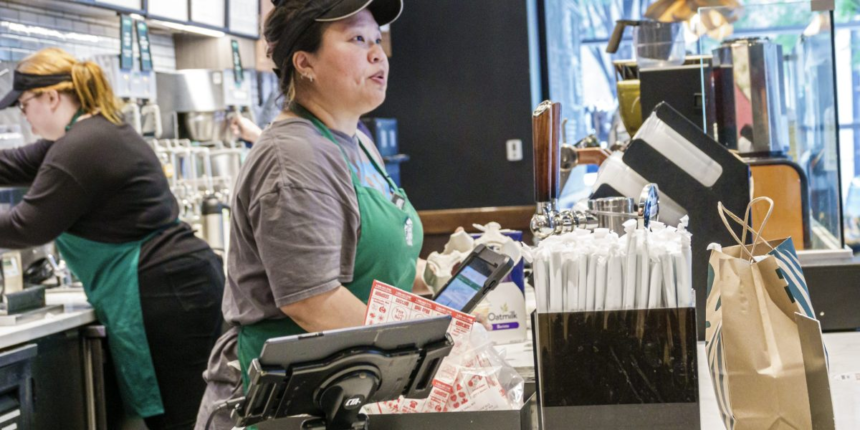
The AI assistant will pull recipe cards of drinks to show baristas how to make them, as well as suggesting swaps if ingredients run out, the company said. The tech will also suggest food pairings to suggest to customers, provide troubleshooting support for malfunctioning equipment, and help managers find employees to backfill shifts should a store be short-staffed.
While restaurants have had mixed results with AI, analysts see Starbucks’ recent moves to leverage the technology as largely positive, so long as the company uses it effectively.
“What they’re trying to show here is that, with regard to adoption, is that they can make it work with longtime staff,” Sevilla told Fortune. “So it’s not replacing jobs, it’s enhancing jobs, with regards to the new hires.”
But as with any rollout including AI, Starbucks may experience hiccups.
“Making sure that the chatbot is accurate and providing in an accurate way and not causing more issues—I think that’s going to be a critical aspect of rolling out to a broad storebase,” Reich said.
“This is going to be a litmus test for AI integration at this scale,” Sevilla said.
A version of this story was published on Fortune.com on June 11, 2025.