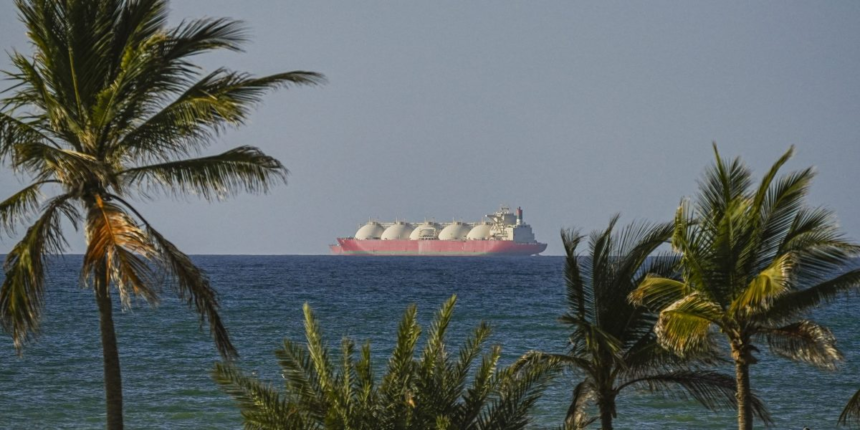
After the U.S. and Iran agreed to a temporary ceasefire on Tuesday, the Islamic Republic pledged to open up the Strait of Hormuz, the narrow body of water that’s a key bottleneck in the world’s trade of oil. But there’s a catch: Iran signaled it plans to impose a toll on ships passing through the choke point—and have them pay up in crypto.
Here’s what we know about the tolls, what we don’t know, and why Iran has likely chosen cryptocurrency as its preferred payment method:
Still, it’s unclear if Iran is using crypto extensively for toll payments. “This is just an incredibly fast moving situation, really, in the midst of a war,” Ari Redbord, global head of policy at TRM Labs, told Fortune. “And we are not seeing on-chain evidence today that indicates that toll payments are being made at scale.”
For decades, the U.S. and its allies have imposed wide-ranging sanctions on Iran that largely exclude the government from the world’s financial system. That’s led the Islamic Republic to avoid currencies or banks linked to the U.S.
That includes cryptocurrencies, which are built on financial rails not controlled by any one government. And while the public nature of blockchains makes it possible to trace the movements of Bitcoin and stablecoins, those funds can’t be easily seized. At the same time, Iran has become adept at using chains of digital wallets to obscure crypto funds tied to the regime.
“What we’ve seen from Iran over the last really couple of years is them looking for any way to circumvent the U.S. financial system,” said Redbord. “That means accepting payments for things in Chinese yuan. That means starting to really look to cryptocurrency to accept payments.”