As of 2:30am Eastern time, South Korea’s KOSPI is up by 7.1%, while Japan’s Nikkei 225 rose 5.5%. Taiwan’s TAIEX jumped 4.6%. Hong Kong’s Hang Seng Index, back from a long holiday weekend, also gained 3.1%, while Australia’s ASX 200 is up by 2.6%.
Airline stocks, which have been hard hit by fuel shortages, jumped on Wednesday. Australian flag carrier Qantas rose by 10%, while budget airline AirAsia surged by 6.9%. Hong Kong’s Cathay Pacific jumped by 4.7%.
Late on Tuesday, U.S. President Donald Trump announced the start of a two-week Pakistan-brokered ceasefire with Iran. The news came just 90 minutes before Trump’s self-imposed deadline of 8:00pm Eastern, after which he had threatened to start bombing Iranian civilian infrastructure, like power plants and bridges.
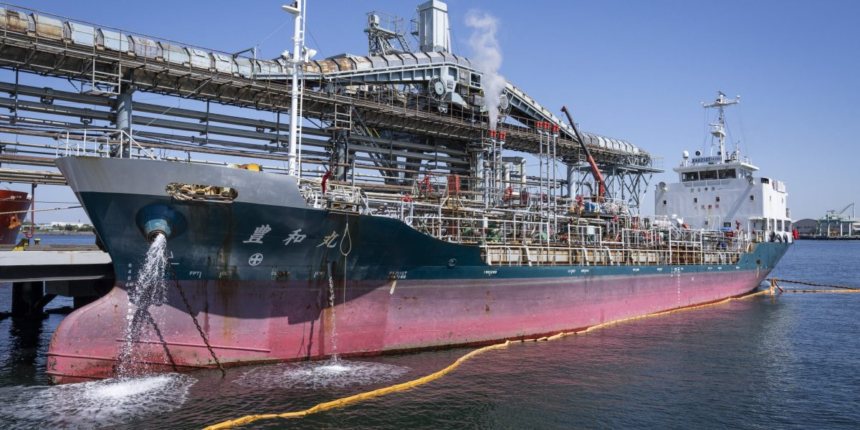
Much of the oil and gas that travels through the strait is bound for Asia, and is now blocked due to the conflict.
The few ships that have crossed the Strait in recent weeks have reportedly done so after negotiations with Tehran and payment of fees in Chinese yuan.
Asian governments have maintained a cautious stance amid mixed messages from the White House, which combined leaks of ongoing negotiations with aggressive social media posts by Trump (including one on Tuesday that warned “an entire civilization will be destroyed”).
Malaysia, too, warned citizens to brace for the impact of rising fuel and transport costs, adding that global energy supplies will take time to stabilize due to severe infrastructural damage in the Middle East.
Governments across the region have instituted fuel rationing, reopened coal plants, and banned exports of refined fuel products to address shortages. Even if Hormuz reopens, it will take time for energy exporters to rebuild infrastructure damaged in the conflict.