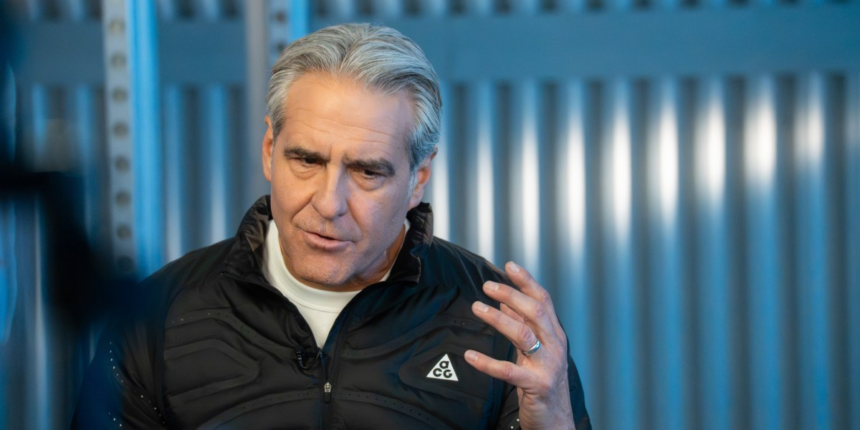
“I’m so tired, and I know you are too, of talking about fixing this business,” Hill said at a Tuesday all-hands meeting, according to Bloomberg News. “I want to move to inspiring and driving growth and having fun.”
The timing mattered. Nike reported fiscal third-quarter revenue of $11.3 billion, flat year over year, while gross margin, Nike Direct sales, and revenue in China all declined. Investors were unimpressed, and the numbers made clear that the recovery was still slower and messier than hoped.
What makes Hill’s remarks stand out is the way he used them to steady a weary organization and begin shifting its internal story.
First, he acknowledged the emotional reality in the room. “I’m so tired, and I know you are too,” he told employees, validating that their exhaustion and hard work were visible. Leaders often try to rally employees by glossing over fatigue and moving straight to motivation. Hill did the opposite. He led with the prevailing sentiment, which made the rest of the message easier to hear. People are more likely to follow a leader through disappointment when they believe that person understands how they feel and is willing to say so plainly.
Second, Hill tried to break the habit of talking like a company in permanent recovery. Leaders can get stuck in a vocabulary of cleanup during a long turnaround. Soon, every meeting becomes about fixing, stabilizing, correcting, and managing. That language starts to shape identity, and employees stop feeling like builders and start feeling like custodians of a problem over time. Hill was certainly not declaring victory. Nike shares fell more than 10% after its earnings report, despite a narrow earnings beat. But Hill appeared to be trying to keep the company from becoming psychologically trapped in its own recovery story.
Third, he reached for something culturally specific to Nike. “Having fun” can sound glib in a corporate setting, but at a company like Nike, it carries weight. Nike’s brand is built on play, sport, energy, and competition. It would be challenging for such a company to motivate workers or generate creative momentum when every internal conversation feels like a postmortem. By invoking fun, Hill seemed to be pointing employees back to Nike’s core DNA.
The sports retailer still has a long way to go before it can credibly claim a full revival. But Hill seems to grasp something essential about leadership in a prolonged rough patch. A good leader knows when an organization needs discipline. An even better one knows when it also needs relief.