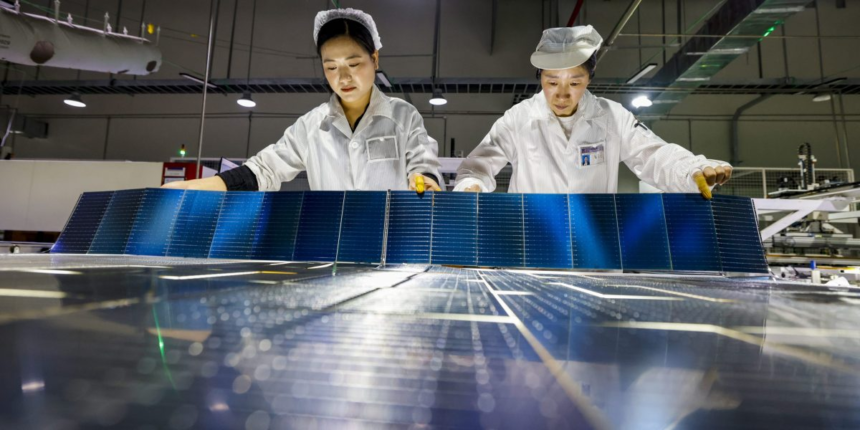
The story of the energy transition in 2025 was one of fast-paced growth and global adoption. That trend was always likely to continue this year, but the war in Iran may be giving it a fresh geopolitical push.
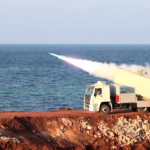
Countries may now have an incentive other than economics to go green. The conflict in the Middle East has exposed how reliant global oil and gas supply is on certain choke points, including the Strait of Hormuz. The waterway has been under Iranian blockade for the past month, locking around 20% of the world’s oil and gas supply out of global markets. For Iran, the strait represents strategic leverage, but for the rest of the world, it is a reminder of the risk inherent to relying on an energy source produced in a relatively small number of countries.
Much of that opportunity is present in poorer countries that currently import fossil fuels to generate the bulk of their energy needs. Africa, for instance, accounts for 39% of global renewable potential, according to Carbon Tracker, because of the continent’s huge solar and wind capabilities.
But the crisis in the Middle East is regardless pushing governments in the same direction markets have been signaling for years, and energy experts are already writing in a boost to renewables as countries consider their alternatives.