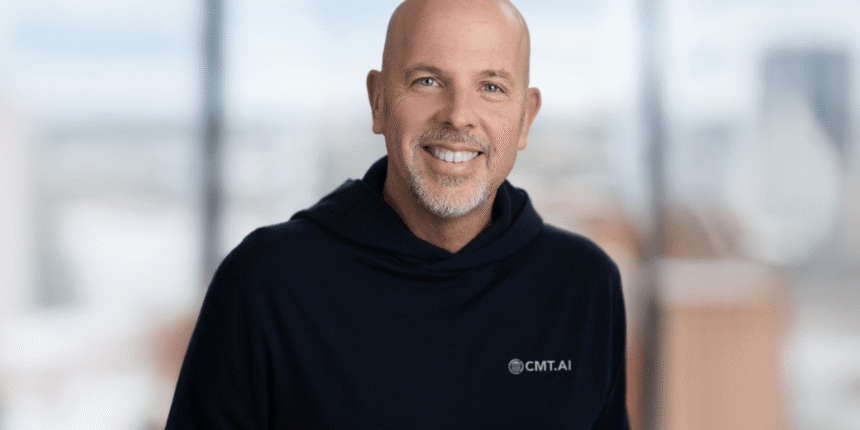
CMT builds AI-powered telematics software that turns everyday devices—smartphones, car sensors, dashcams, and other connected hardware—into real-time risk detectors on the road. Its DriveWell Fusion platform ingests sensor data from millions of devices and fuses it with contextual information, creating a unified view of how people actually drive, from hard braking and speeding to phone distraction. Insurers, automakers, and public agencies then use those insights to price risk, detect crashes, and nudge drivers toward safer habits.
The strategic investment into CMT is notable not just for its size, but for what it is not. Powers says, “none of this is primary capital. This is all secondary transactions, meaning there’s no dilution with this transaction—zero.” The new money instead is meant to push the business further in its innovation by buying out older investors and providing liquidity to long‑time employees and shareholders. “We’ve been at this for 16 years,” he told Fortune. “We continue to generate cash and continue to deliver liquidity to folks along the way.”
Akash Pradhan, partner at TPG’s Rise Fund, told Fortune, the firm’s investment in CMT comes from his belief that the telematics company is slated to become the “mission critical” infrastructure of road safety turning more than 75 petabytes of data into foundational AI that can help both save lives and lower premiums.
Cetin stresses that Allianz X still underwrites the deal like a classic venture investor. “We do not invest if the company on a standalone basis would not give us the risk-return profile that we expect,” he says. “In this case, what we would expect is what every VC investor would expect from such an investment on a standalone basis.” But unlike a traditional fund, Allianz’s capital “doesn’t have an expiration date,” giving it more patience to realize both financial returns and operational gains like lower claims frequency and more tailored pricing for policyholders.