Working from home seemed to be a thing of the past. All it took to revive it was a war in the Middle East and a worldwide energy crisis.
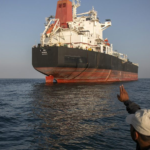
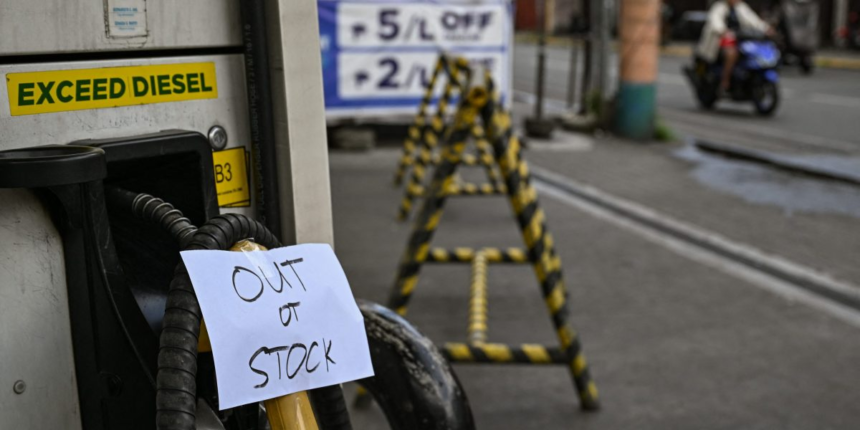
That hole in energy supply is straining fuel reserves around the world, especially for the biggest buyers of Middle Eastern oil and gas, as governments outside the U.S. are buckling down for a potentially protracted slowdown in the energy trade. Many are turning to a measure from 2022, the last time a major conflict broke out involving actors critical to global fuel supply: asking people to just stay home. In Asia, governments from Vietnam to the Philippines are reviving flexible work orders to curb fuel demand, and across Europe, ministers are urging residents to skip the commute to save gas.
“Joint efforts to save fuel are essential,” the ministry said. “Where possible, remote working arrangements may also help reduce travel and transport demand.”
Today’s energy crisis is particularly painful for East and South Asian countries, many of which are comparably as dependent on Middle Eastern fuel as Europe was on Russia in the early 2020s.
But if the energy crisis of 2022 is any indication, supply-side measures might not be enough if the Middle East’s energy exports remain constrained. For now, telling people to stay home may be the easiest way to stretch limited fuel supplies — and once again make remote work a global necessity.