The war in Iran shows few signs of winding down—and with de-escalation looking unlikely in the near term, the conflict risks becoming a protracted one that destabilizes the broader Middle East and weighs on the global economy.
As the conflict in Iran closes out its first week, neighboring powers are starting to take stock of what damage the war has already dealt and where it might go from here. The Middle East has partly built its modern reputation on its role as the global oil and gas trade’s supplier-in-chief. But with tankers unable to navigate dangerous waters and missiles constantly streaking across the sky—some targeting crucial energy infrastructure—the effect on the fuel trade is already pronounced. Leaders warn that the longer the war lasts, the worse it will be for the global economy.
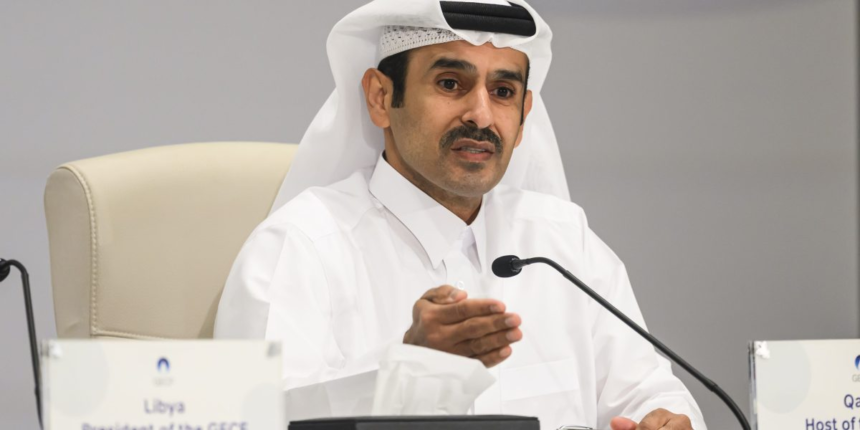
“We don’t yet know the extent of the damage, as it is currently still being assessed. It is not clear yet how long it will take to repair,” al-Kaabi told the FT.
“In addition to energy, there will be a halt on all other trade in between the [Gulf] and the world, which will have a significant effect on the economies of the [Gulf] and all the trading partners around the world,” al-Kaabi said. “There will be shortages of some products, and there will be a chain reaction of factories that cannot supply.”