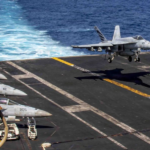
Iran borders the Strait of Hormuz, a narrow waterway in the Persian Gulf through which exports from the UAE, Qatar, Kuwait, and Iraq all flow. Shipmasters are now nervous to sail through it. The White House has suggested its military will offer escorts to ships along the strait in order to keep the route open, though whether that actually happens remains to be seen.
The knock-on effect for oil and gas prices is the key concern for economists. The Fed is tasked with keeping inflation at 2%, and consumer prices are already above-target on this metric. Lowering the base rate would be adding fuel to that inflationary fire, by stoking consumption and borrowing.
Central bankers are approaching the Iran war as “hawks,” Macquarie’s Thierry Wizman said in a note to clients yesterday. As well as U.S. bankers, Wizman pointed to the fact that representatives from the Bank of Japan, Bank of England, Bank of Canada, and European Central Bank have also signaled they’re watching carefully for any inflationary hints.
“The prospect that the Fed may be ‘on hold’ instead of cutting rates this year may be why the USD has gotten an extra fillip of appreciation (beyond the haven-seeking impulse) during the war,” Wizman added. “With the OIS market previously projecting more than two cuts from the Fed in 2026 (as of last week) it is the U.S.’s rate outlook that is seen to have the greatest ‘potential’ to be overturned by another burst of global inflation in 2026, if energy supplies become constrained.”
The strong data meant investors are pricing out the likelihood of a cut in the first half of this year, noted Deutsche Bank’s Jim Reid this morning: “The probability of a cut by the June meeting (which would be the first with a new chair) fell to just 39% by the close, the lowest so far this year. So clearly there’s growing skepticism that a new chair can start cutting straight away, particularly with the data as strong as it is right now.”