Anthropic was supposed to be the crown jewel of the Pentagon’s AI push. Its Claude model is one of the few large language systems cleared for certain classified environments and is already deeply embedded in defense workflows through contractors like Palantir. Pulling it out could take months, according to a report by Defense One, making the startup not just a vendor but a critical node in the military’s emerging AI infrastructure.
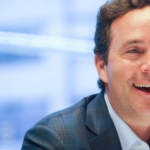
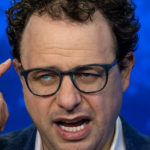
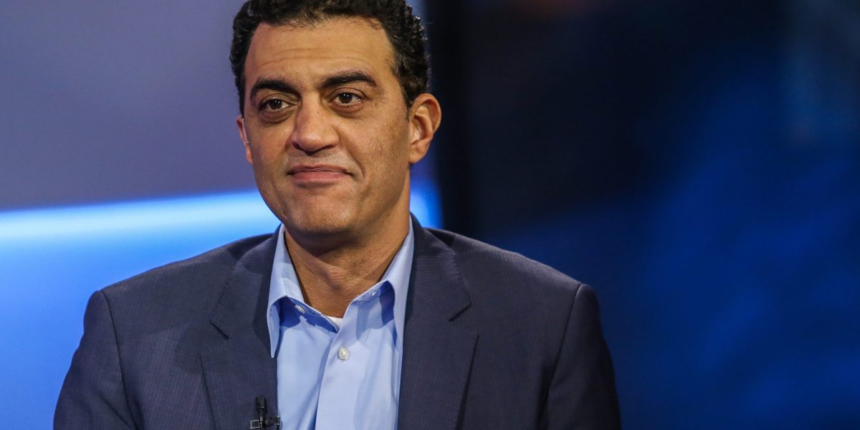
The battle between the DOW and Anthropic raises two important questions: How will the Trump administration and AI giants work together going forward? And who is Michael, the man who is making decisions on behalf of the biggest AI customer on the planet?
His portfolio dovetails with Trump‑era efforts to centralize AI governance at the federal level and prioritize American AI, including an executive order aimed at overriding stricter state rules and pushing agencies to classify and tightly manage “high impact” AI systems in 2026. Public biographies from the Department of War emphasize his record raising tens of billions in private capital and forging global partnerships as proof he can corral the private sector into serving U.S. strategic aims.
For Michael, the battle appears to reflect a belief forged across his career—from Uber’s global expansion battles to the Pentagon’s AI buildup—that control over transformative technology cannot remain in private hands when national security is at stake. The question now is how far he’s willing to go to achieve that end.