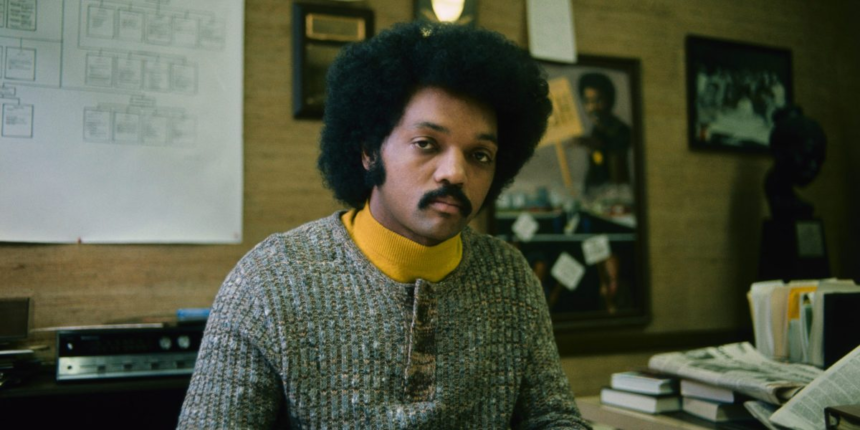
His experience of segregation shaped how Jackson viewed his life.
Instead, Jackson rejected the contract because the pay would be approximately six times less than a white player’s and went North, to the University of Illinois.
His return to the South marked Jackson’s emergence as a leader in the growing Civil Rights Movement.
Jackson’s second move north, in 1964, stuck.
In 1984, Jackson turned to politics, running for the nation’s highest office.
But the campaign always represented more than a policy platform. Jackson wanted to mobilize more Americans to vote and to run for office, especially the “voiceless and the downtrodden.”
Jesse Jackson’s two presidential runs fundamentally altered the U.S. political landscape.
The life and career of Jesse Jackson reflect that place still matters – even for people who have left that region for colder pastures.
This story, originally published on March 12, 2025, has been updated with Jackson’s death on Feb. 17, 2026.