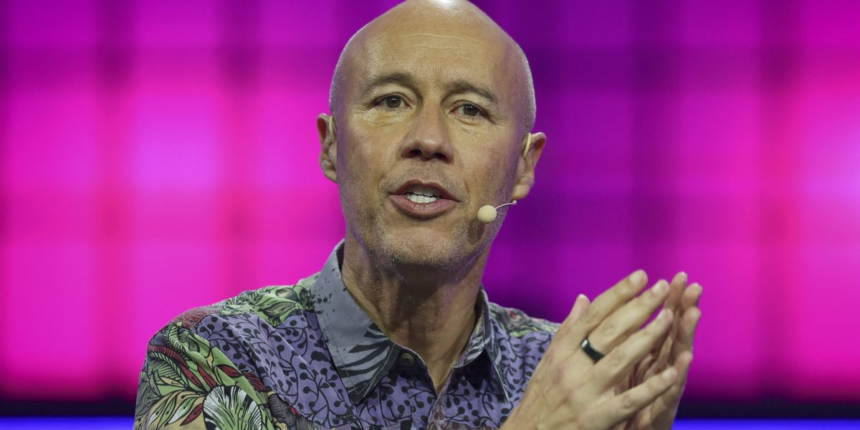
“The most surprising thing is we are a really important part of a lot of people’s lives.” Risher told Fortune. “I think it’s sometimes easy to overlook that.”
Risher recalled picking up a customer at 9:30 a.m. in “a not very beautiful part of town in San Francisco” and asked him why he takes Lyft. The passenger said arriving at work on time was crucial to keeping his job.
“He said: ‘Look, if I get there at 10:01, I’m fired. I got to get there by 10 o’clock. And public transportation—as much as I’d like to use it because it’s less expensive—it’s not reliable enough,’” Risher said.
Risher previously told Fortune that acting as a driver periodically enables him to target areas for improvement within the company. He picked up a woman in Sausalito, Calif., one morning, who told him if the price for a ride gets too expensive, she’ll drive herself to work and find her own parking spot. From his conversation, Risher said he learned customers are vehemently against surge pricing, which informed the decision to implement a price lock feature on the app.
“I drive to learn, not to earn,” he said. “But I really want to learn about what the driver experience is like and what the rider experience is like.”
“That would have been great for her, and frankly, great for me,” he said.
Risher’s career came full-circle when Bezos, owner of the Washington Post, became Risher’s boss. Risher said Bezos’s business advice still informs his decisions at Lyft: “Bet on the things that never change, and build products for things that never change.”