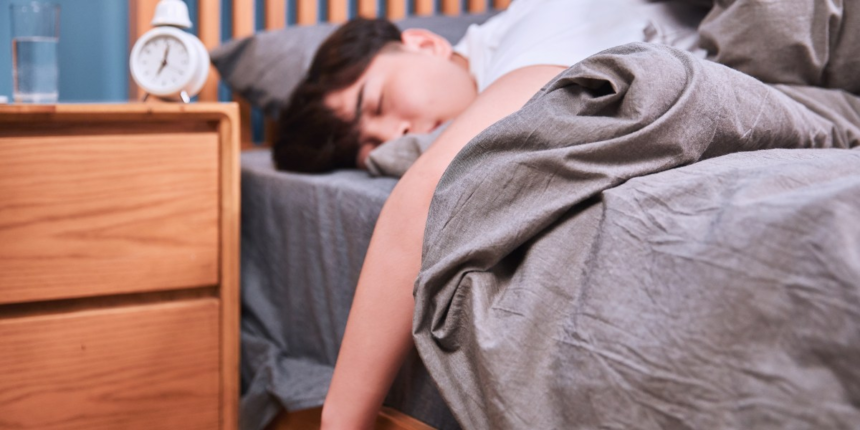
So, what is the “best” sleeping position to get you there? It’s a tricky (if not impossible) question to answer, since everyone’s body, health, and preferences are different. But according to Jennifer Martin, PhD, spokesperson for the American Academy of Sleep Medicine and professor at the Herbert Wertheim College of Medicine at Florida International University, what’s best for you hinges mostly on two factors: what position allows you to breathe easily, and what position is the most physically comfortable for your body.
“It’s pretty individualized,” Martin says. “Not everyone is comfortable in the same position.”
What’s more, the “best” sleeping position can change throughout a lifetime and will balance your body’s needs. For example, shoulder pain sometimes becomes a problem during side sleeping as people get older, which can conflict with the common advice that people with sleep apnea should avoid sleeping on their backs, according to Dr. David McCarty, MD, FAASM, chief medical officer of Rebis, a sleep medicine clinic. And while stomach sleeping is often considered the position that causes the most neck and back strain, its many people’s go-to position that gets them to fall sleep fast.
“Often, sleep position becomes about avoiding the position that causes the most problems,” McCarty says.
To help you weigh all the pros and cons of each sleeping position, we spoke to sleep medicine experts and looked at research for guidance on how you can position your body for more comfort, and why you shouldn’t overlook the importance of pillows.
“It’s a seemingly simple question, but it requires kind of a thoughtful response,” McCarty says. “Sleeping position can affect the physiology of a number of different organ systems.”
Arguably the most important thing to consider when sleeping, according to McCarty, is how the position of your body affects your breathing, and also what your default sleeping position may be telling you about your overall ability to breathe easily. The posture of your neck, jaw, and all the bones surrounding your airway should be positioned in a way that supports easy, peaceful breathing.
“It’s not just about the position of your body,” McCarty says about finding the proper sleeping position. “It’s about the position of your jaw and your tongue.”
When it comes to finding the most comfortable sleeping position, it may also matter a little more for people regularly experiencing trouble sleeping.
“For people with insomnia and problems with pain, we work really hard with making sure they can get in a comfortable position,” Martin says.
However, back sleeping isn’t right for everyone. In particular, it can cause more interference with airflow compared to other sleeping positions, which causes some people to naturally “self-select” against sleeping on their back, according to McCarty.
“A lot of time, we’ll measure that their sleep apnea is worse when they’re on their back versus when they’re in other positions,” she says.
Sleeping on your back is also considered a good position for keeping your neck, shoulders, and hips straight, which minimizes the strain on your spine that causes pain. But whatever your preferred sleeping position, you should look at pillows as an important tool that can help your body’s alignment and also help you transition to a new position. This may be especially true if you are a stomach sleeper and frequently wake up with neck, shoulder, or back pain.
“We can’t underappreciate how important pillows are,” Martin says. They’re something that can be easily adjusted throughout the night and should be propped up in a way that supports your neck and back. For example, Martin says that side sleepers may benefit from putting a pillow under the top of their knee.
“That can help you have a more aligned position in your spine and stay comfortable longer,” she says. If you struggle to fall asleep because you’re uncomfortable, you may also want to try a body pillow, according to Martin.
“It helps with alignment, and some people find they’re more comfortable throughout the night than if they sleep through the night without it,” she says. (Think those big, long pillows that cradle your body.)
Martin says that people who have acid reflux tend to benefit from having their head propped up a bit. You can achieve this by propping up your head, neck, and shoulders with pillows, or by investing in an adjustable mattress that you can elevate.
“For mild sleep apnea, we would recommend they sleep on one of their sides,” Martin says. She added that people experiencing any symptoms of a sleep disorder should be evaluated by a sleep specialist to find the cause and treatment, if needed.
“If you’re treating your sleep apnea,” Martin says, “just focus on comfort.”
Both Martin and McCarty say that the best sleeping position for you is the one that makes you the most comfortable. That means finding one that balances your breathing, minimizes soreness, and supports your overall well-being.
“I stress the importance of what works for you,” McCarty says. If your current sleeping position feels comfortable to you and works with your individual physiology, he says, “that’s probably more sensitive than any blanket advice.”
You may realize your sleeping position is the likely culprit of aches and pains if you wake up sore and stiff. If you’re experiencing neck or back pain, try following the best practices for side sleeping or back sleeping, and experimenting with different pillows or other props that can help keep your neck neutral, spine aligned, and back supported. If you’ve tried everything and still feel pain — or if you notice you’re less sore after sleeping in a different bed for a night or two — you should consider whether your mattress is the culprit and if it’s supportive enough.
Like any symptom that affects your daily life or gives you trouble, though, you should reach out to your doctor to address other causes of pain. Quality sleep is crucial, but it’s one component of taking care of your overall well-being.