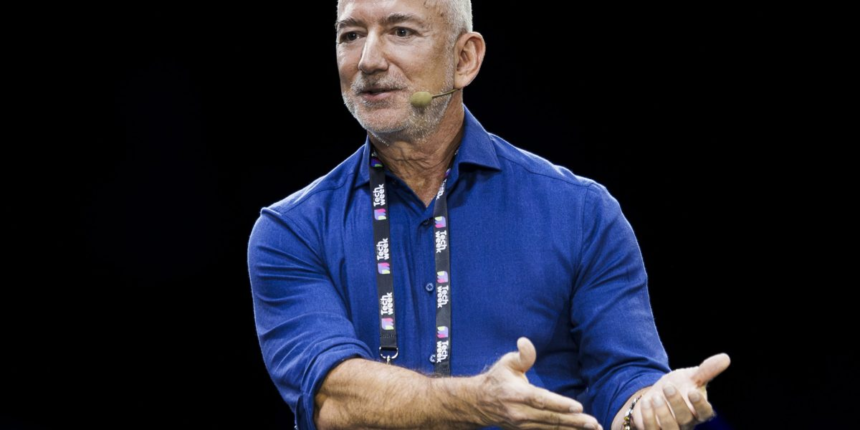
During the early years of the now $2.61 trillion online retailer, Bezos said he asked the board “not to give me any comp,” beyond a modest base salary of just $80,000.
“I’m actually very proud of that decision,” Bezos added. His decision is also a textbook example of the owner-operator model: A founder’s wealth comes from increasing the value of the equity they already hold, not squeezing more out of annual pay packages.
“Founders own big chunks of the company. They don’t really need—they’re more like owner-operators—the way they increase their wealth is not by getting comp,” Bezos explained. “They just want to make the equity.”
For critics of outsize executive pay, the structure of Bezos’s compensation may offer only limited comfort: His net worth still towers over that of Amazon’s global workforce, and fluctuations in the company’s share price can add or erase billions from his net worth in a single trading day.
But as he tells it, keeping his salary low—and refusing additional incentives—was about aligning with a founder’s ethos and avoiding optics that, to him, would have felt out of step with the ownership stake that made him this rich in the first place.