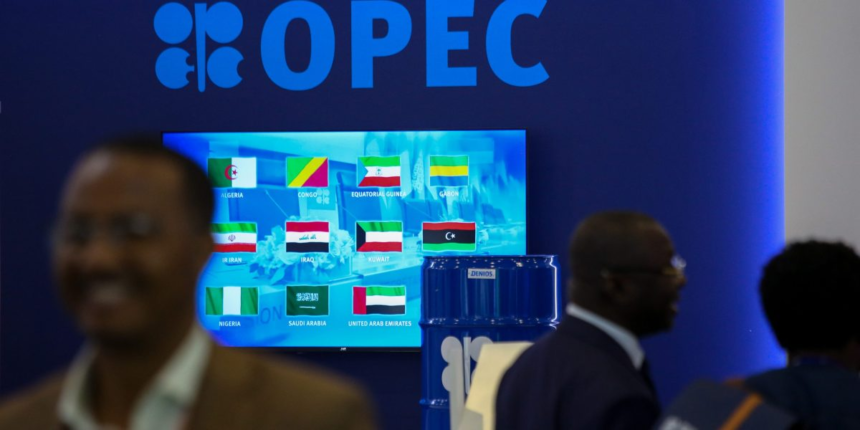
OPEC+ stuck with plans to pause supply increases in the first quarter, as global markets face a surplus and the group awaits clarity on whether the shock US capture of Venezuela leader Nicolas Maduro will impact supplies.
“In an environment this fragile, OPEC+ is choosing caution, preserving flexibility rather than introducing new uncertainty into an already volatile market,” said Jorge Leon, an analyst at consultant Rystad Energy AS. “The political transition in Venezuela adds another major layer of uncertainty.”
Caracas may hold the world’s biggest oil reserves, but years of under—investment, mismanagement and international isolation have diminished the country to a fraction of its former standing.
Production could rise by about 150,000 barrels a day within a few months if sanctions are lifted, but getting back to 2 million barrels a day or higher would require “massive reforms” and large investments from international oil companies, according to consultants at Kpler.
Other geopolitical threats afflicting OPEC+ nations continue to simmer.
Brent futures settled just under $61 a barrel on Friday, having slumped 18% last year in their biggest annual drop since the 2020 pandemic. Production in the US, Guyana, Brazil and Canada continues to climb while demand in top consumers like China has slowed.
In April, Riyadh and its partners stunned crude traders by rapidly restarting production idled since 2023 despite signs that world markets were comfortably supplied. Several delegates said the move was intended to claw back market share ceded in recent years to rivals like American shale drillers.
Before the latest pause, OPEC+ had formally agreed to restore about two-thirds of 3.85 million barrels a day of output halted since 2023, leaving about 1.2 million barrels-a-day of these tranches left to restart. However, the actual volumes added have been smaller than advertised as some countries physically struggle to increase, and others atone for earlier overproduction.
The eight OPEC+ members involved in bringing this production back will hold another monthly video conference on Feb. 1.