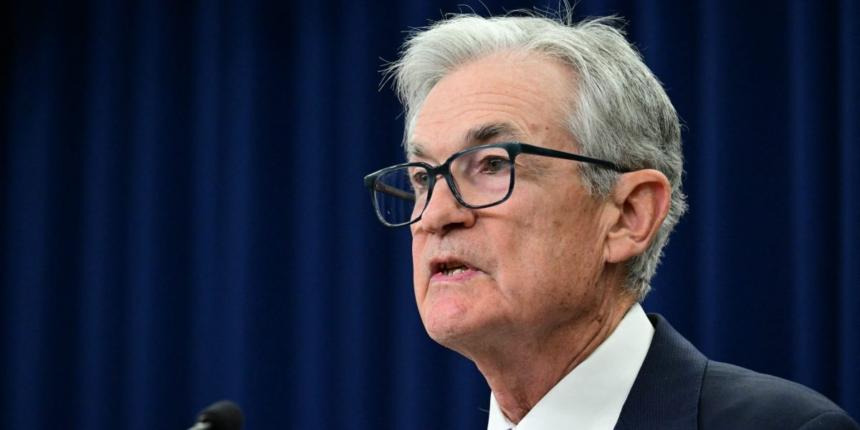
The market will get moving again once it digests Powell’s statement and his remarks to the press. Recently, Fed members have suggested they are more worried about weakness in the labor market than they are about rising inflation—which is why that rate cut feels locked in. Any change of tone could move Wall Street into risk-off mode.
“The decision is unlikely to be unanimous, with dissent anticipated from both hawkish and dovish members. Should four or more officials break ranks, it would mark the largest split since 1992,” Reid et al said. “Beyond the headline move, the tone of Chair Powell’s press conference and the accompanying statement will be critical. We expect Powell to emphasize that the hurdle for further cuts in early 2026 is high, signaling a near-term pause. This guidance will be key to maintaining credibility ahead of likely softer labor market data due later in December.”
The other measure that is likely helping persuade the Fed into producing a new round of cheaper money is declining consumer confidence. “Consumers remain depressed in their assessment of the economy. Concerns over higher prices and the health of labor markets continue to dominate consumers’ psyche,” Grace Zwemmer at Oxford Economics said in a research note.
“Households still feel squeezed, despite expectations improving,” Piper Sandler’s Nancy Lazar and Diana Hagedorn told clients.
Samuel Tombs and Oliver Allen at Pantheon Macroeconomics agreed: “The U.S. consumer looks less resilient after last week’s income and spending report. … We think September’s data foreshadow a very weak Q4.”
Here’s a snapshot of the markets ahead of the opening bell in New York this morning: