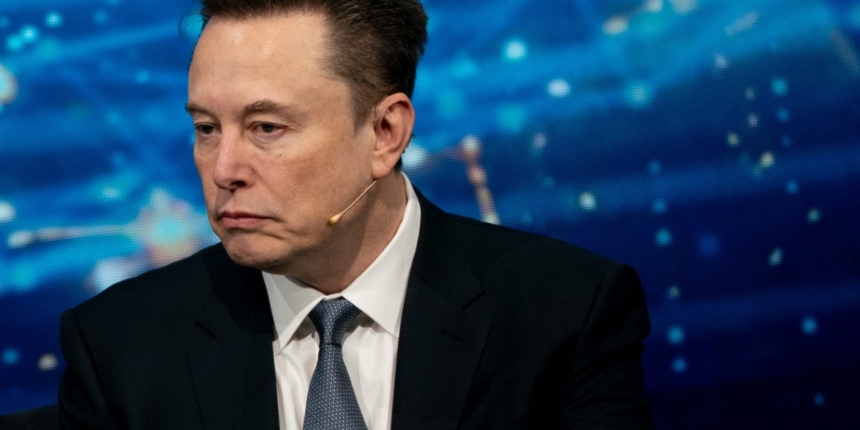
“We’re actually getting to the point where we almost feel comfortable allowing people to text and drive, which is kind of the killer [application] because that’s really what people want to do,” Musk said. “Actually right now, the car is a little strict about keeping eyes on the road, but I’m confident that in the next month or two—we’re going to look closely at the safety statistics—but we will allow you to text and drive essentially.”
“Do not use handheld devices while using Autopilot features,” the manual said. “If the cabin camera detects a handheld device while Autopilot is engaged, the touchscreen displays a message reminding you to pay attention.”
Tesla did not respond to Fortune’s request for comment.
“Having partial automation support doesn’t mean that you suddenly can kick back and text and not worry about driving,” Mueller said, “because that’s just not how these systems are designed to be used.”
She said automated systems like Tesla’s are not designed to replace the driver and work because they are “human-in-the-loop” and were designed to support the driver’s discretion behind the wheel. Beeps and notifications from the vehicle if a driver changes lanes without signaling can help shape good behaviors, Mueller noted. Encouraging multitasking behind the wheel turns these features into convenience factors, rather than the safety precautions they were intended to be.
“Suddenly all your safety assessments on the technology don’t apply anymore, because you’ve changed the very nature of how the technology is supporting human-in-the-loop behavior,” Mueller concluded.