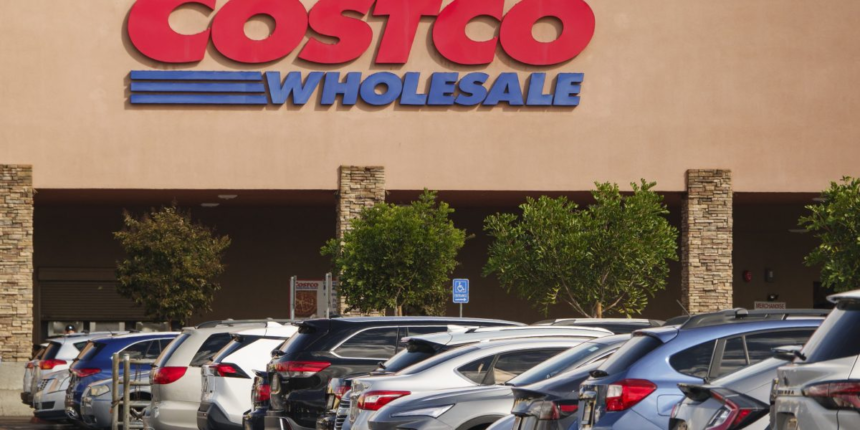
The lawsuit doesn’t specify how much Trump’s tariffs have cost the company to date.
Costco argues that it needs a court intervention immediately because Customs and Border Protection denied its request to extend the schedule for finalizing tariff determinations under Trump’s use of the International Emergency Economic Powers Act. The company says that could jeopardize its ability to seek full refunds in the future.
Costco didn’t immediately respond to requests for comment on Monday.
White House spokesperson Kush Desai said in a statement that, “The economic consequences of the failure to uphold President Trump’s lawful tariffs are enormous and this suit highlights that fact. The White House looks forward to the Supreme Court’s speedy and proper resolution of this matter.”
The expansive, fast-changing tariff policies have disrupted the retail sector this year, threatening to raise prices of goods and hamper the purchasing power of US consumers who are already cautious following years of inflation.
“We’re doing everything we can,” Chief Financial Officer Gary Millerchip said in an interview with Bloomberg News earlier this year. “Whether that’s working with the suppliers to find efficiencies to offset the impact of tariffs, or whether it’s sourcing with them often to different countries.”
For example, Costco said in May that it kept steady prices of pineapples and bananas imported from Central and South America because they are important items to customers. At the same time, it increased prices of flowers sourced from the region because they are less of a necessity to shoppers.
The club chain said its big size and limited assortment — its stores carry a couple thousand items versus over 100,000 for some big-box retailers — give it a leg-up when navigating tariffs. Still, it’s difficult to predict what will happen to prices, company executives said.
The case is Costco Wholesale Corp. v. Customs and Border Protection, 1:25-cv-316, US Court of International Trade.