“Watching this actually turn into a fight has ripped MAGA apart,” Rep. Marjorie Taylor Greene said this week, flanked by Epstein survivors ahead of the House vote.
Epstein’s abuse and 2019 death in a New York jail cell have generated conspiracy theories for years, especially on the political right.
On the campaign trail, Trump expressed openness to releasing the investigative documents, nodding to anti-establishment demands to open up the government’s files on other high-profile cases like the assassinations of John F. Kennedy and Martin Luther King Jr.
It was the first sign of a rift in Trump’s coalition, and Democrats took notice.
In Congress, they began looking for ways to force Republicans to take votes on releasing the Epstein files. Eventually, they found traction with two tracks: initiating an investigation in the House Oversight Committee and putting full support behind a rarely successful petition that maneuvers around the House speaker’s control of which bills see the floor.
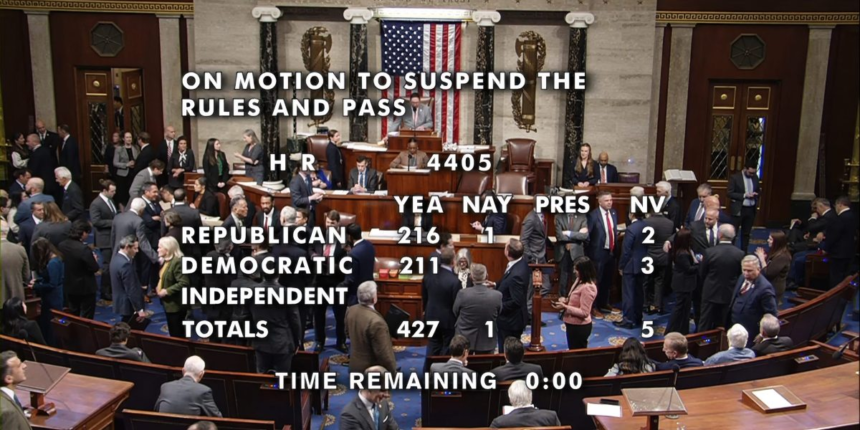
The Democratic effort — joined by a few key Republicans, including Greene — culminated last week in passage of the bill with overwhelming support from both chambers of Congress. It was a sign that the Epstein files had risen from the realm of obscure conspiracy theorists to a political force that neither political party could deny.
Still, it’s not clear whether the complete files will be released — or that the public interest in them will ever be satisfied.
At a Tuesday press conference ahead of the House vote, the bill’s sponsors — Democratic Rep. Ro Khanna and Republican Rep. Thomas Massie — joined Greene and several Epstein survivors in warning the administration not to hold anything back.
“The real test will be whether the Department of Justice releases the files, or whether it all remains tied up in investigations,” Greene said, adding that whether a list of names is released “will be the real test.”
It’s one example of how the Trump administration helped build hype for the release of files — and a reminder of the political danger in being unable to deliver the material his coalition has long believed is hidden.
Lawmakers believe there are reams more of documents, but they have received little indication that the Department of Justice is ready to put out that information despite a subpoena from the House Oversight Committee that was issued in August.
Khanna said he still has concerns about how fully the administration will comply, but he believes passage of the bill — and the possibility of contempt of Congress — gives lawmakers leverage. He declined to speculate about who might appear in the files but said he expects whistleblowers to emerge if anything is withheld.
“The president has realized, as Marjorie Taylor Greene said, that this is splitting his MAGA base,” Khanna said.
“It would be foolish for him to have a drip, drip, drip fight. I mean, if he wants to fight over Epstein the remainder of his presidency, I suppose we can. But that’s not really smart.”
Khanna, a Silicon Valley progressive with aspirations for higher office, hopes the Epstein fight will evolve into a broader movement, describing it as a modern version of President Franklin D. Roosevelt’s “forgotten class against the economic royalists.”
“This is a forgotten America against the Epstein class,” Khanna said in an interview.
“There’s a real anger at an elite that people think are out of touch and taking away control over the lives,” he added.
As Democrats look for ways to reconnect with working-class voters, Khanna thinks the party should pursue causes like the Epstein files. He has already begun discussions with Massie, Greene and others about teaming up again.
“This crack,” Khanna said of the Epstein vote, is the “answer to taking on Trump.”