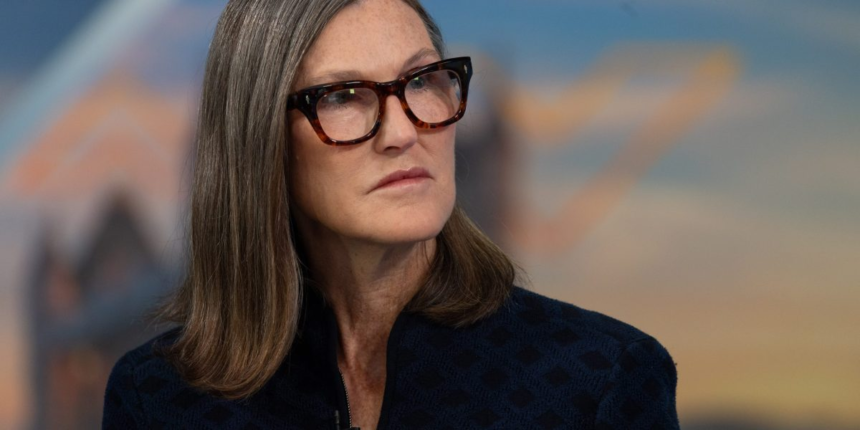
Wood particularly criticized the relationship between these proxy firms and index funds, which have an outsized influence over voting because of the large number of shares they control for their investors. Each shareholder gets a certain number of votes based on how many shares they own. Yet, large institutional investors, including index funds, control massive amounts of shares held by their investors, which gives them sway over voting.
“Index funds do no fundamental research, yet dominate institutional voting. Index-based investing is a form of socialism. Our investment system is broken,” she added.
In another series of posts, Wood added that ISS and Glass Lewis don’t see the potential in Tesla that ARK Invest does and seemingly suggested index funds should be stripped of their voting power. ARK Invest’s flagship ARK Innovation ETF’s largest holding is Tesla, which makes up about 12% of its $8 billion portfolio.
Russell Rhoads, a clinical associate professor of financial management at Indiana University, said while investors in an active fund know its management may push for changes to a company if it is struggling, the same isn’t true for passive investors who put their money into index funds.
“In general, if I put money into a fund, that’s supposed to mirror the index, that is a passive investment,” he said. “I’m just investing in the market and not trying to influence anything what any other companies are doing business wise.”
Tesla, for its part, said in a Monday statement that the proxy firms aren’t considering the previous 2018 pay package approved by shareholders on two different occasions that allocated $56 billion to Musk over 10 years. Both ISS and Glass Lewis also recommended voters reject the 2018 pay package.
“Glass Lewis’s one-size-fits-all checklists undermine shareholders’ interests, including by opposing proposals designed to build long-term value at Tesla,” the statement read.
When reached for comment, representatives from Glass Lewis and ISS directed Fortune to their respective proxy papers on Tesla.
If Musk’s pay is approved and the three board members are reelected, “this year may be one of the last times that public shareholders have a meaningful voice in the Company and its leadership given the level of dilution that is likely to take place,” the letter argued.
“We just don’t believe that these pay packages are going to really incentivize Mr. Musk to stay at Tesla, nor to be focused on Tesla over his other business endeavors,” Patel told Fortune.
“Although the proxy firm ISS has recommended against the package, retail investors are likely to dominate the vote once again. America!”