The problem isn’t theoretical, it’s real and urgent for the approximately 445,000 New York City families with children under five years old. Many of those families – 80% in fact, can’t afford child care in the city.
This impossible math is part of the reason why the majority of the people leaving the city are middle and lower income families. All of these families leaving translates to 186,000 fewer children in the city compared to just five years ago. A city without children, without families, is a city without a future.
Without affordable, or ideally free, childcare, parents are left to make sacrifices that put the economy in peril: missing shifts, leaving children alone or in unsafe situations, cutting back hours, or dropping out of the workforce altogether.
So if all signs point to the need for universal childcare, what will it take to make it a reality?
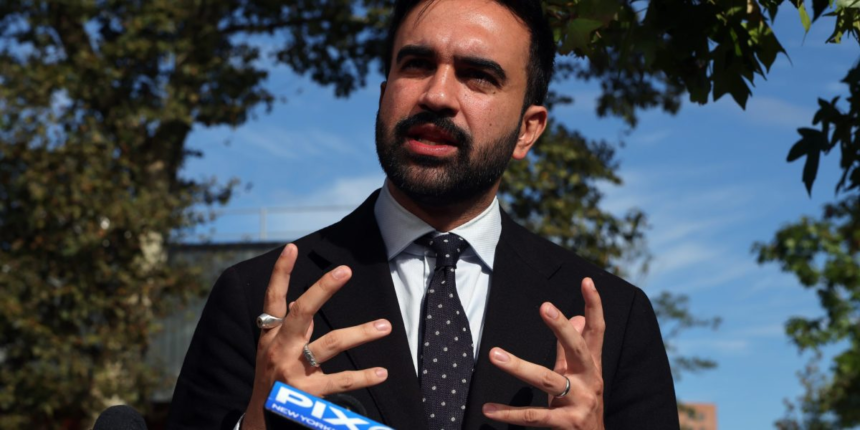
Mayoral candidate Zohran Mamdani promises to make childcare free for kids 6 weeks to 5 years old by subsidizing family care, paying teachers a living wage, easing regulatory burden to open more child care centers.
Jones says she has heard from childcare providers who, even after navigating this complicated maze, still have their inspections delayed or have to make more costly changes to meet conflicting and confusing licensing and zoning mandates, which leaves them to deplete their savings, and delay openings leaving families without care options.
In other words, New York’s bureaucracy is making it more difficult to offer childcare in the city.
Once providers open centers, they are often making well below a living wage. According to Jones, family childcare providers in the city earn between $14–$28/hour. “To support a liveable income in NYC, providers need compensation of $25–$30/hour,” she says. This would require consistent public investment, she adds.
When families can’t find childcare, they often lean on neighbors or family members to fill the gap. Haspel says there are two main ways to fund this type of support: make it much easier for family, friend or neighbor caregivers to register to be part of a child care subsidy system and make sure they are reimbursed at a good rate, or directly send money to families in order to compensate those types of caregivers.
He says some states like Oklahoma and Colorado offer good models for registering and compensating these informal caregiving set ups. And there’s other precedents, too. “We do this better in other care situations,” Haspel says. “There are some good lessons to learn here from programs that pay relatives to care for people with long-term complex disabilities.”