First-term Seattle Mayor Bruce Harrell conceded his reelection fight to progressive activist Katie Wilson on Thursday, handing another victory to leftist Democrats around the country frustrated with unaffordability, homelessness, public safety and the actions of President Donald Trump’s administration.
In a concession speech at City Hall on Thursday afternoon, Harrell said he had congratulated Wilson in a “delightful” call.
“I feel very good about the future of this country and this city still,” he said.
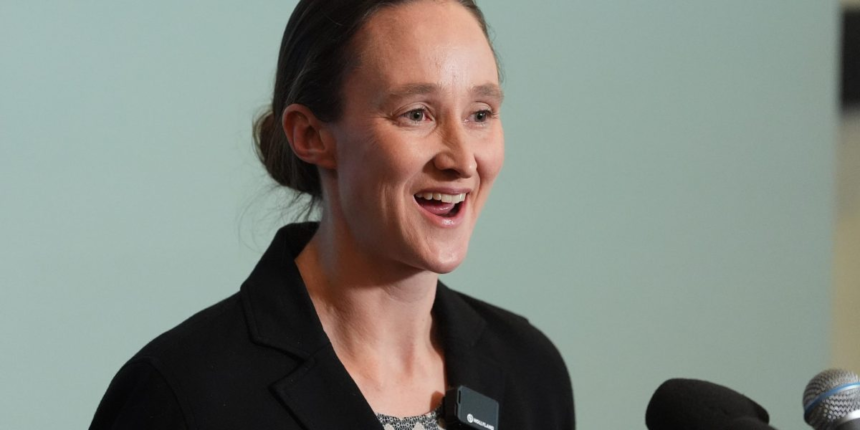
Wilson, 43, is a democratic socialist who has never held elected office. She told a news conference later Thursday that it was hard for her to believe she had been elected mayor, considering that at the beginning of this year she had no intention of running, and she acknowledged concerns about her lack of experience: “No one saw this coming.”
Wilson called herself a coalition builder and community organizer, and said she would also work with those who questioned her qualifications to lead a city with more than 13,000 employees and a budget of nearly $9 billion: “This is your city too.”
“When I say this is your city, that means you have a right to be here and to live a dignified life — whatever your background, whatever your income,” Wilson said. “But it also means that we all have a collective responsibility for this city and for each other. … We cannot tackle the major challenges facing our city unless we do it together.”
She will be working with a relatively new City Council: Only two of the seven council members have served more than one term.
Wilson criticized Harrell as doing too little to provide more shelter and said his encampment sweeps have been cosmetic, merely pushing unhoused people around the city. Wilson also painted him as a City Hall fixture who bore responsibility for the status quo.
Both candidates touted plans for affordable housing, combating crime and attempting to Trump-proof the city, which receives about $150 million a year in federal funding. Both want to protect Seattle’s sanctuary city status.
Wilson has proposed a city-level capital gains tax to help offset federal funding the city might lose and to pay for housing. Harrell says that idea is ineffective because a city capital gains tax could easily be avoided by those who would be required to pay it.