Arctic extremes would be a brutal adversary to any large-scale mining operation. Greenland’s vast ice sheet limits exploration to the island’s coastal fringes. But even there, freezing temperatures and minimal winter daylight make industrial operations nearly impossible. Equipment must endure subzero storage, while fuel and workers face remote transport via inadequate ports and nonexistent roads, WoodMac’s analysts wrote. Even if a suitable site is found and manned, deposits lie under ice sheets up to a mile thick.
Only one port in Greenland, in the southwestern capital of Nuuk, boasts modern infrastructure that could accommodate exports, the analysts added. In the rest of the territory, companies or nations attempting to mine would have to build their own energy grid and transport networks, given the interior’s lack of either, as well as import an entire skilled labor force.
It’s unclear how future U.S.-led extraction would proceed. But under current laws and agreements, WoodMac analysts wrote, “any development will need to meet high standards for environmental and social impact.”
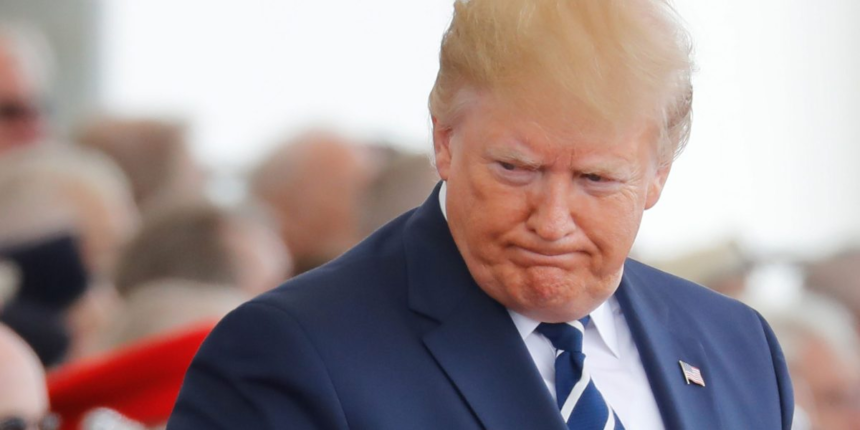
But possibly the most significant barrier Trump faces is the souring relationship that has festered between the U.S. and its European partners. The WoodMac analysts point out that Greenland’s geographic position between the U.S. and Europe suggests rare earth mines on the island would benefit both regions. By sharing financing and risk, they wrote, both the U.S. and the EU could access a more secure supply of rare earths independent from China.
‘‘We do want to partner up with European and American partners. But if they don’t show up I think we need to look elsewhere,” she said.